
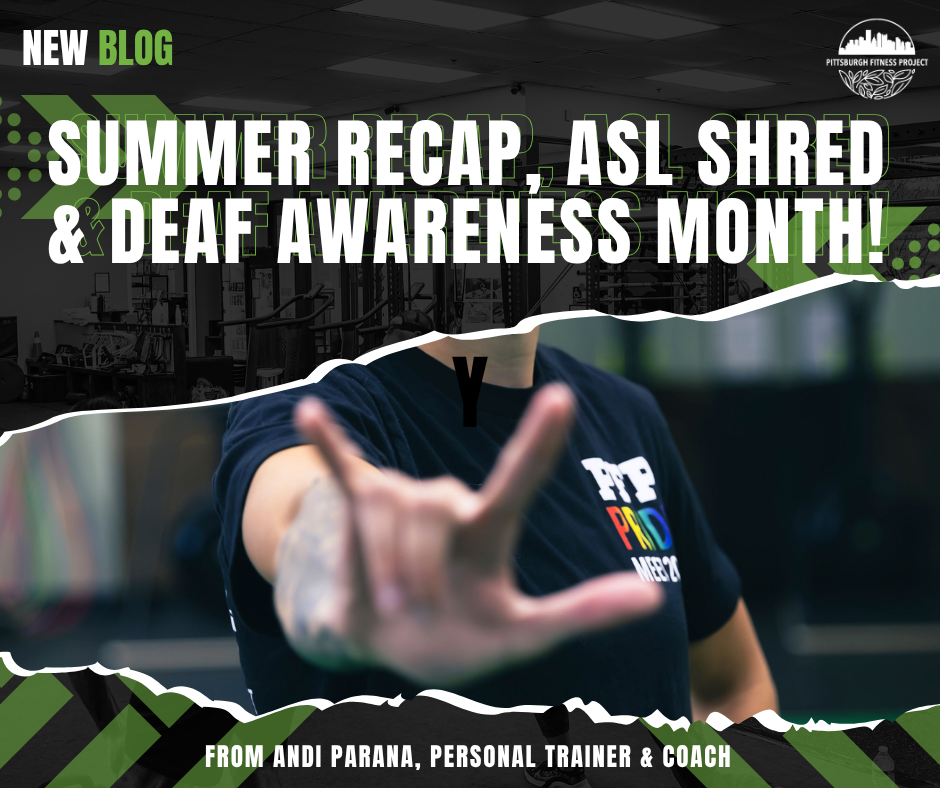
SUMMER RECAP, ASL SHRED & DEAF AWARENESS MONTH!
Looking back across the summer, what made our Deaf Boot Camps so special wasn't just the workouts—it was seeing everyone connect, share non-stop laughter, and support one another with huge smiles on their faces. You proved that when we come together, the vibe is completely unstoppable!
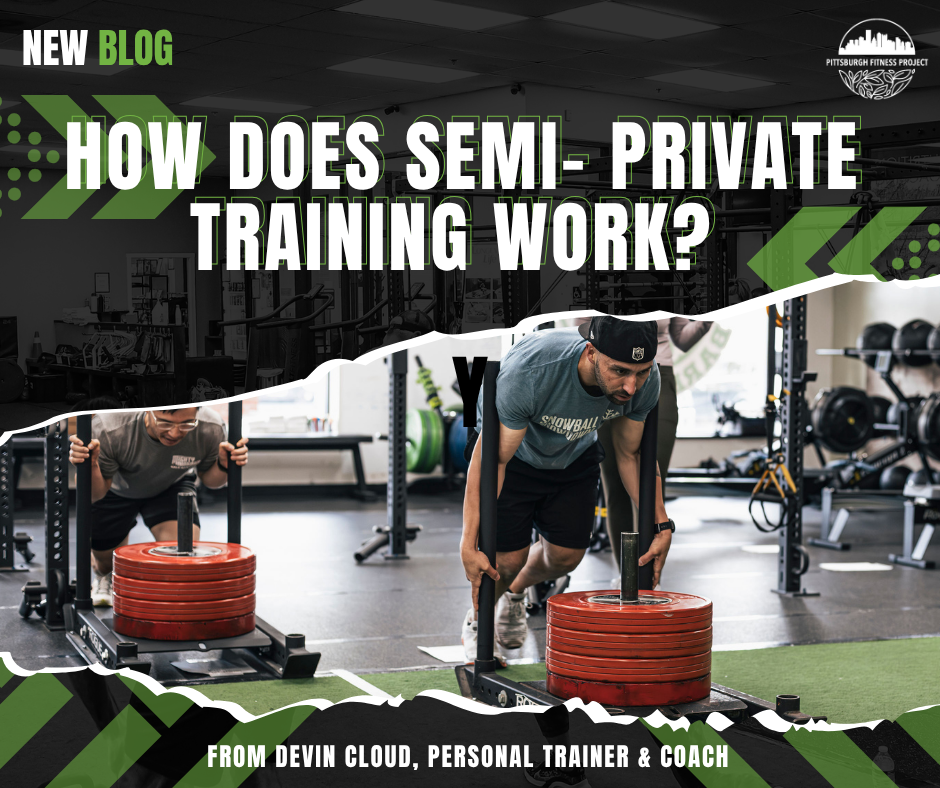
HOW DOES SEMI- PRIVATE TRAINING WORK?
You may have heard recently at PFP that we are rolling out Semi Private Training (SPT) starting in October 2026. This is a new addition to our personal training option here at the gym that offers a slightly different feel to our normal personal training environment. Some questions you might have will be, who is this style of training for? How does the timing and planning work? How can I fit it into my schedule? Let’s get you up to date with it and how it can serve you as a member.
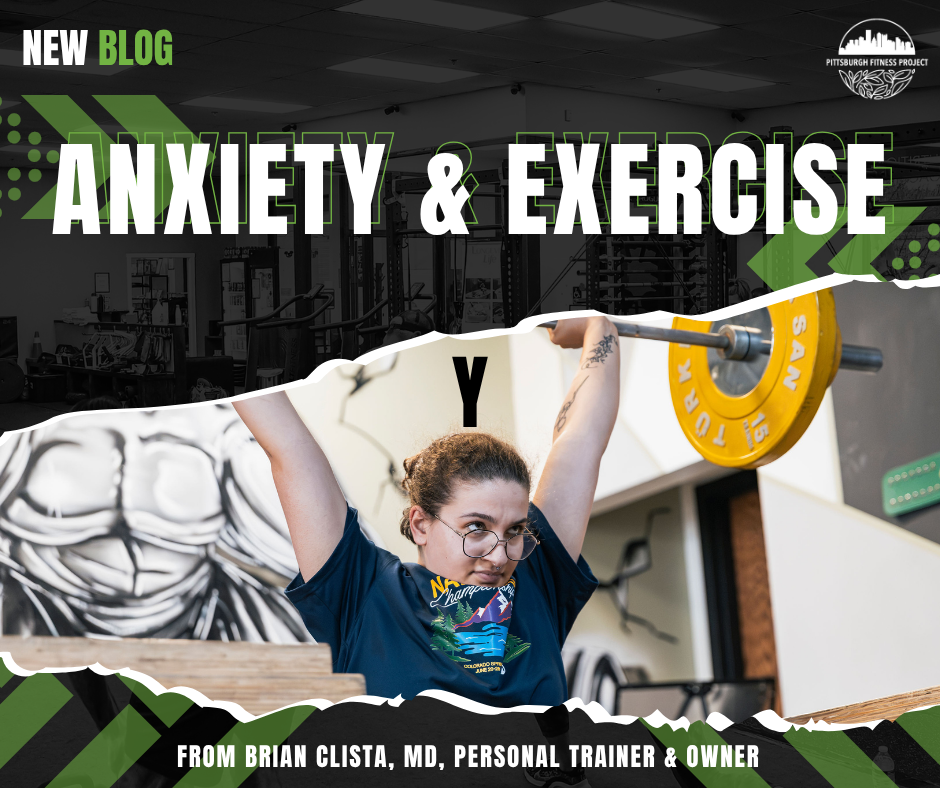
ANXIETY & EXERCISE
Have you ever felt less stressed after working out? There’s a reason for that! Let’s look at the physiology of exercise, why it relieves stress, and how you can incorporate regular exercise to relieve anxiety or stress.
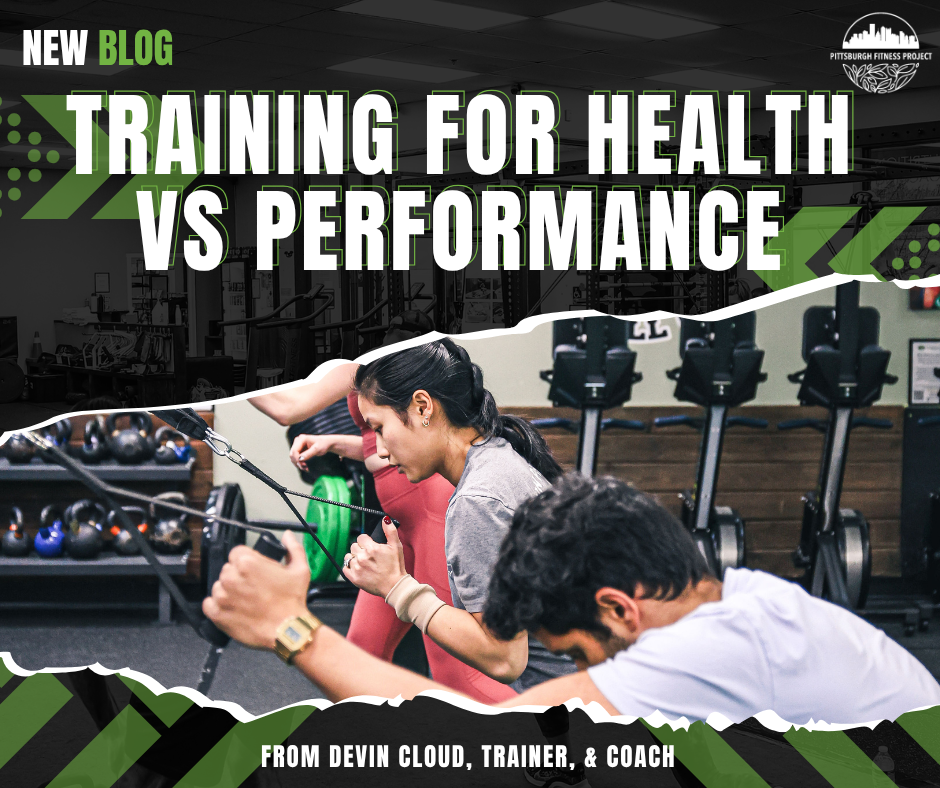
TRAINING FOR HEALTH VS PERFORMANCE
Most people pursue fitness for a multitude of reasons. Whether they are looking to improve their strength, range of motion, make tasks in their life easier, or just to feel better, they can better themselves with the pursuit of improving their health. This becomes crucial even as we age. Maintaining some level of fitness as we age is one of the best ways we can keep harmful age outcomes from occurring. However, that form of exercise is different from training for athletic performance. “Training” and “exercise” are words that are often used interchangeably, but they mean very different things. While exercise is a more encompassing term, it refers to a more general pool of movements and modalities. Whereas “training” refers to more specific planning, purposes, and movements to reach a desired goal. Let’s discuss how and what each one is and how they fit your goals.
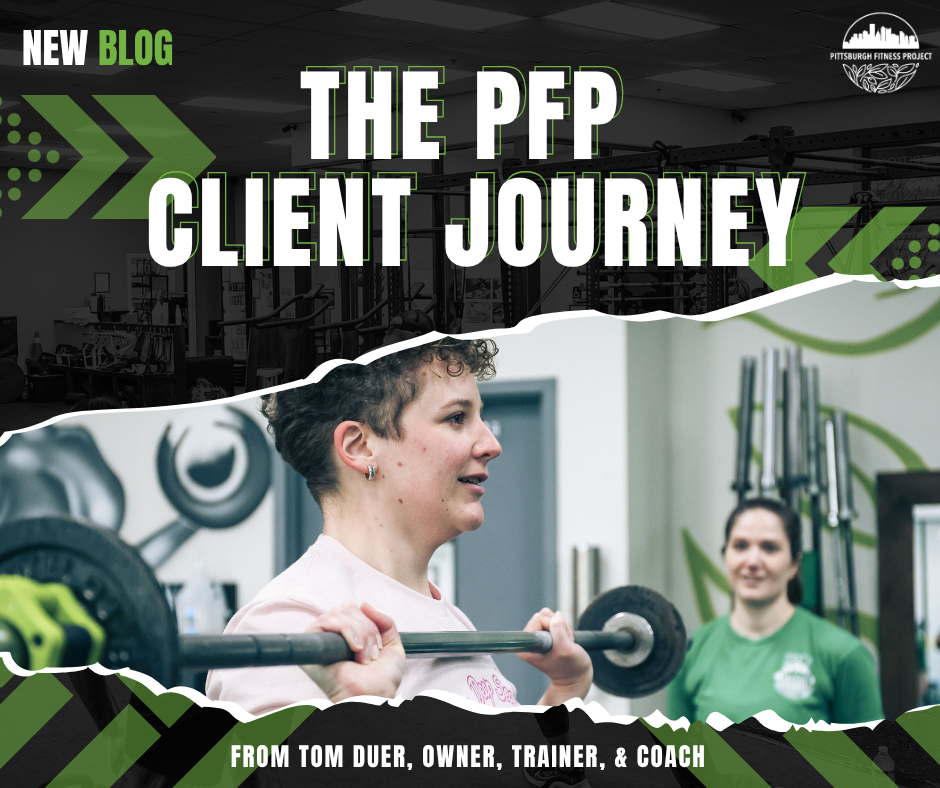
THE PFP CLIENT JOURNEY
At PFP, we believe fitness is not a one-time event—it is a journey. Real results come from having a clear plan, consistent coaching, and regular opportunities to evaluate progress and make adjustments. That is why we are introducing an enhanced client journey designed to provide support, accountability, and guidance every step of the way. Beginning this September, PFP members will experience a more structured coaching process that includes: Initial Fitness Assessment, Monthly Coaching Check-Ins with InBody Scans, Quarterly Progress Assessments, and Yearly Reassessments. This approach allows us to move beyond simply completing workouts and focus on creating a complete, personalized fitness experience.
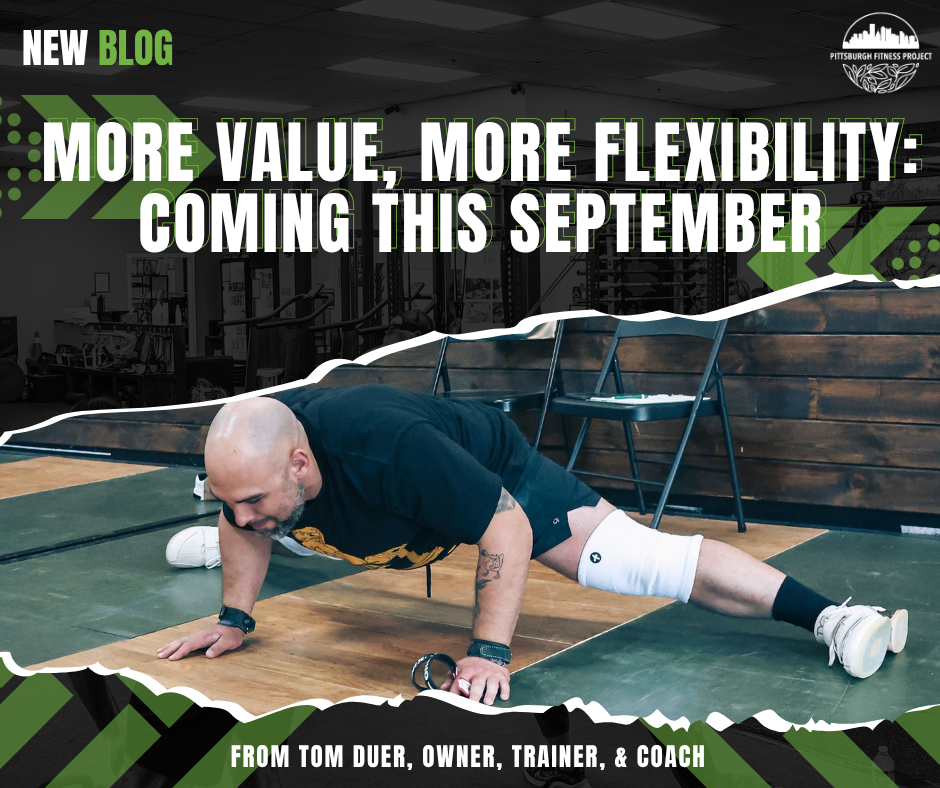
MORE VALUE, MORE FLEXIBILITY: COMING THIS SEPTEMBER
Unlimited Classes Are Coming to PFP Training Memberships! At PFP, we believe your membership should give you the tools, support, and flexibility you need to reach your goals. Starting this September, we are making an exciting update to our Personal Training and Semi-Private Training memberships that gives members more opportunities to train, build consistency, and get even more value from their PFP experience.
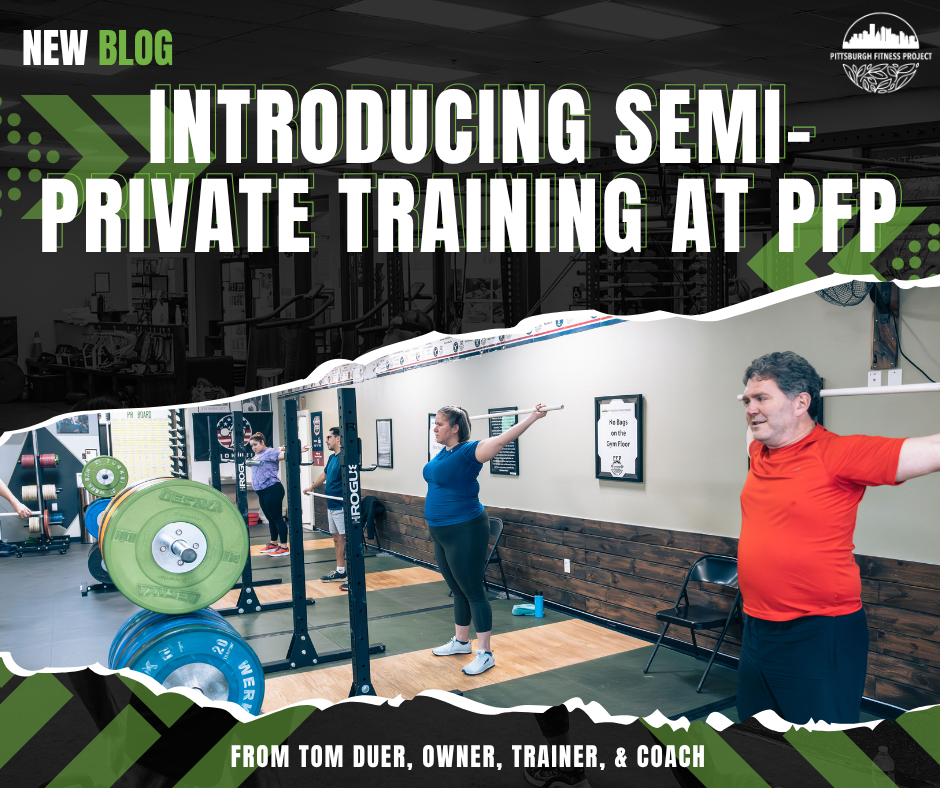
INTRODUCING SEMI-PRIVATE TRAINING AT PFP
At PFP, we are always looking for ways to provide better coaching, more personalized experiences, and more options for our members to achieve their goals. This fall, we are excited to introduce one of the biggest additions to our training model yet: Semi-Private Training. Before we officially launch this program, we will be inviting a select group of current and former PFP members to participate in our Semi-Private Training Beta Test Group. This pilot phase will allow us to gather feedback, refine the experience, and make sure we are delivering the highest-quality coaching possible.
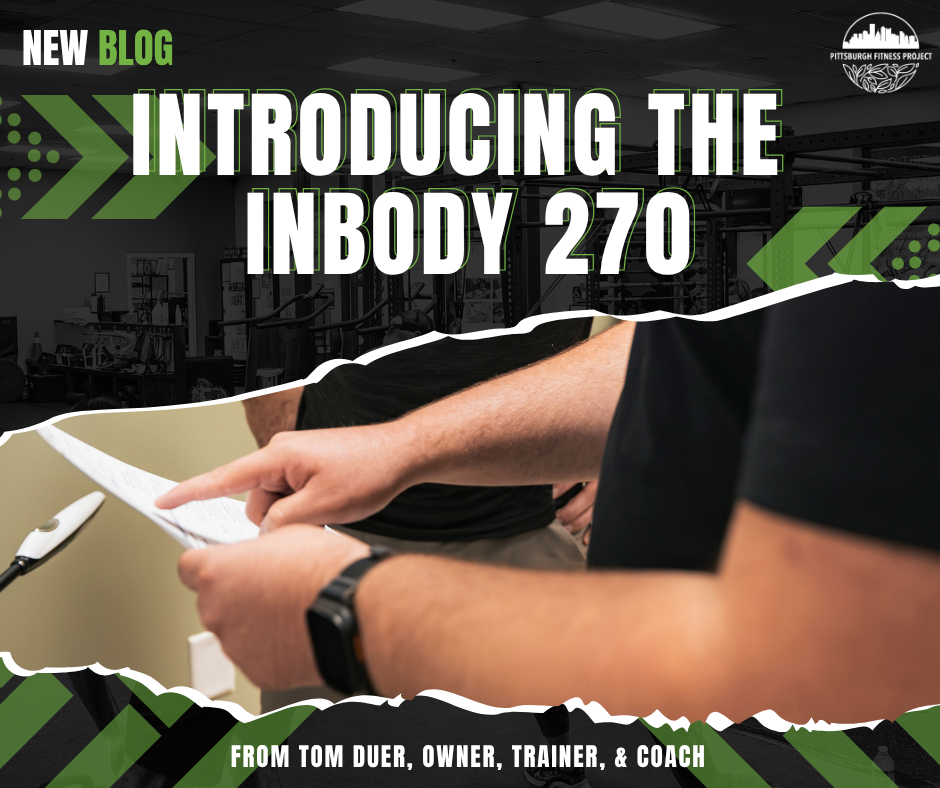
INTRODUCING THE INBODY 270
For years, fitness progress has often been measured by one simple number: the scale. While body weight can be useful information, it does not tell the complete story. At Pittsburgh Fitness Project, we believe members deserve better information. Beginning this September, we are integrating the InBody 270 body composition scanner into our coaching process to provide a clearer picture of your progress.
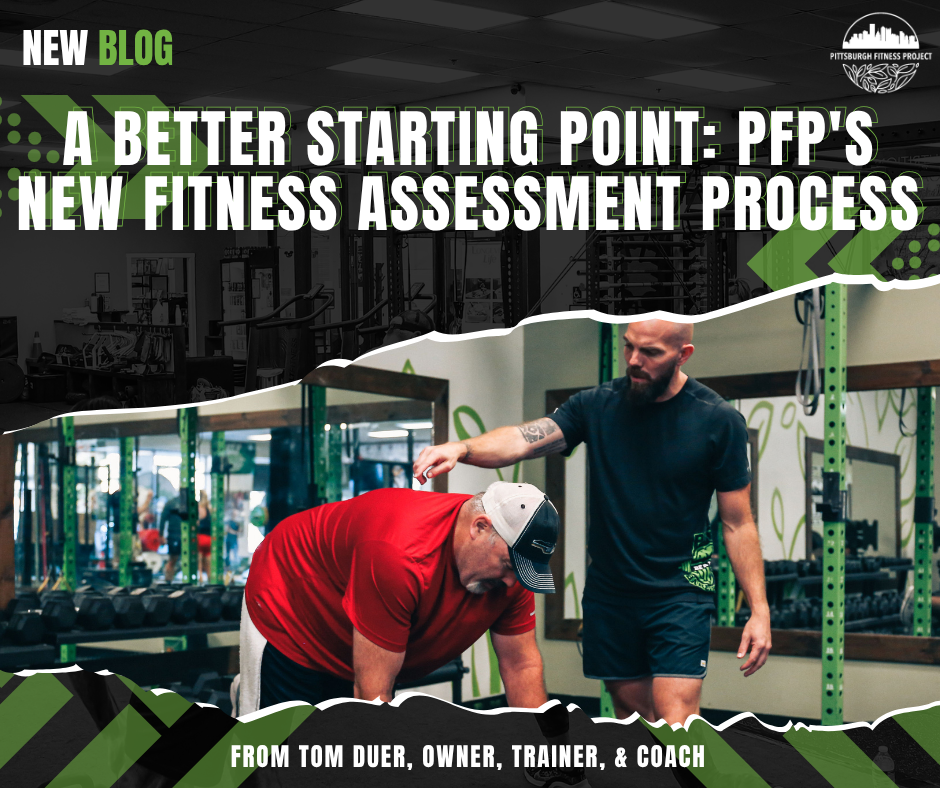
A BETTER STARTING POINT: PFP'S NEW FITNESS ASSESSMENT PROCESS
Starting September. Every successful fitness journey starts with understanding where you are today. At Pittsburgh Fitness Project, we believe the best coaching begins with a complete picture of who you are, what your goals are, and what steps will help you get there. Beginning in September, we are launching an updated Fitness Assessment process designed to provide a more personalized and effective experience for every member.
BIG CHANGES COMING TO PFP THIS SEPTEMBER
At Pittsburgh Fitness Project, our mission has always been simple: help people become stronger, healthier, and more confident through expert coaching and a supportive community. As we continue to grow, we are always looking for ways to improve the experience we provide our members. Beginning in September, we are introducing several exciting changes designed to make your training more personalized, your progress easier to track, and your membership more valuable than ever. These updates are the next step in our commitment to moving beyond simply providing workouts. We want to provide a complete coaching experience that helps every member understand where they are, where they want to go, and exactly how to get there.
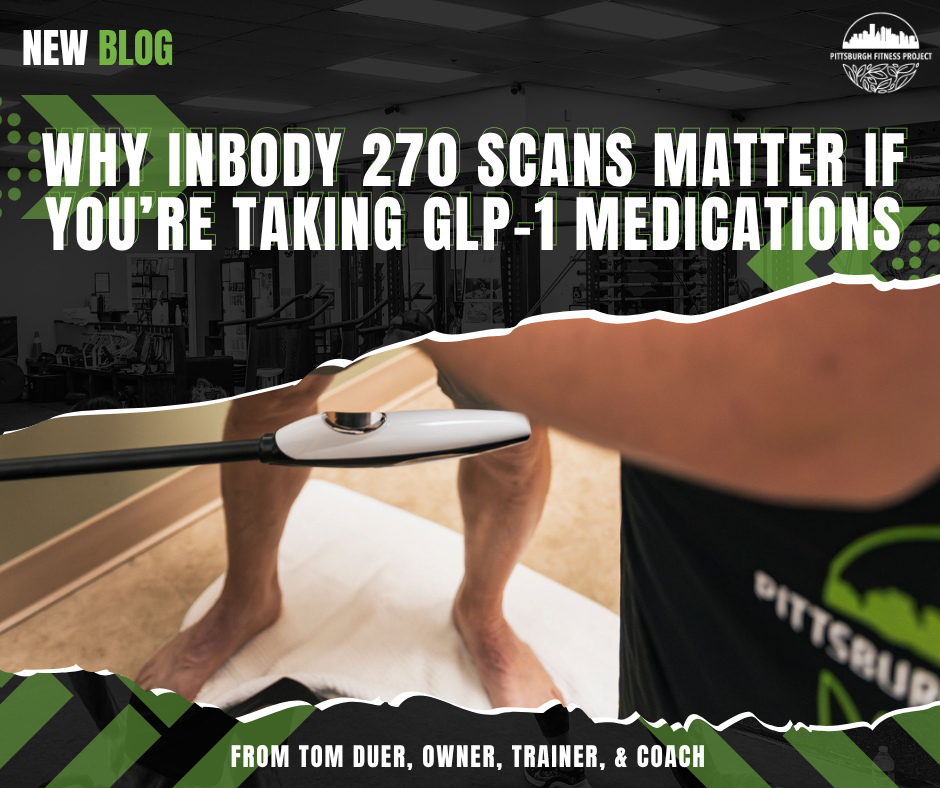
WHY INBODY 270 SCANS MATTER IF YOU’RE TAKING GLP-1 MEDICATIONS
GLP-1 medications like Ozempic®, Wegovy®, Mounjaro®, and Zepbound® have changed the conversation around weight loss. Many people are seeing significant reductions in body weight, improved blood sugar control, and better overall health. But while the number on the scale may be moving in the right direction, the scale doesn't tell the whole story. At Pittsburgh Fitness Project, we're focused on helping you improve your health—not just lose weight. That's why we use the InBody 270 body composition scanner to track what's really happening inside your body throughout your fitness journey.
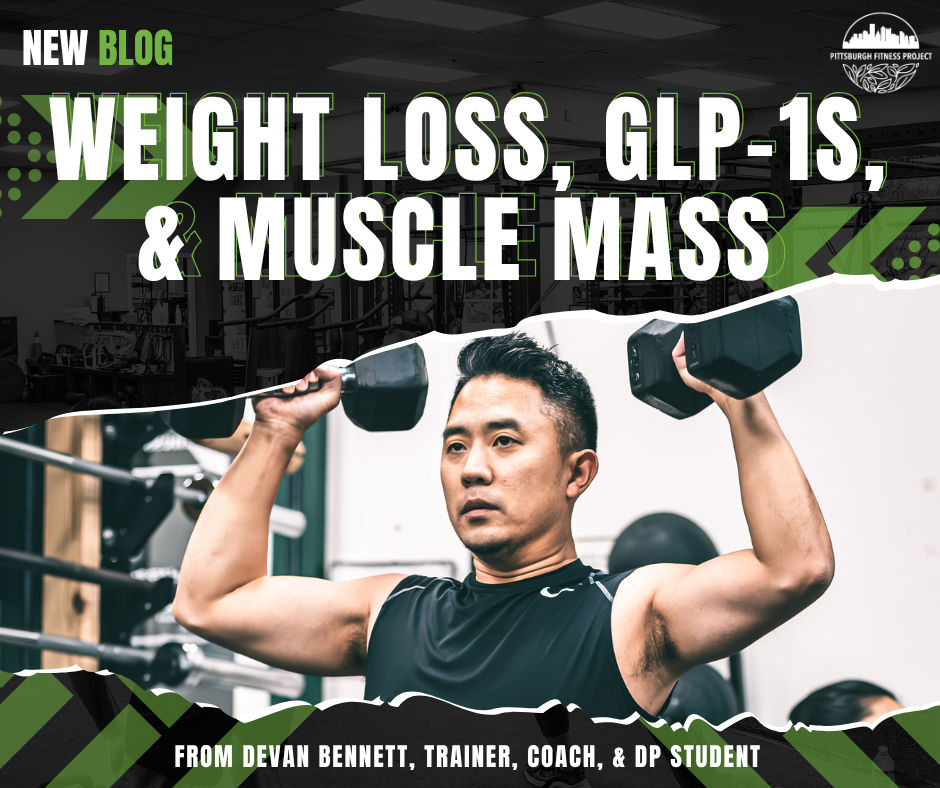
WEIGHT LOSS, GLP-1S, & MUSCLE MASS
There is a lot of talk recently about GLP-1s, and lots of people use them to try and lose weight. While they are effective at decreasing appetite and leading to weight loss there are some things to consider first. An article from the National Strength and Conditioning Association’s Personal Trainer Quarterly titled “Preserving muscle in the era of GLP-1RA therapy – Practical strategies for exercise professionals” by Dalan Zydel discusses this topic in detail.
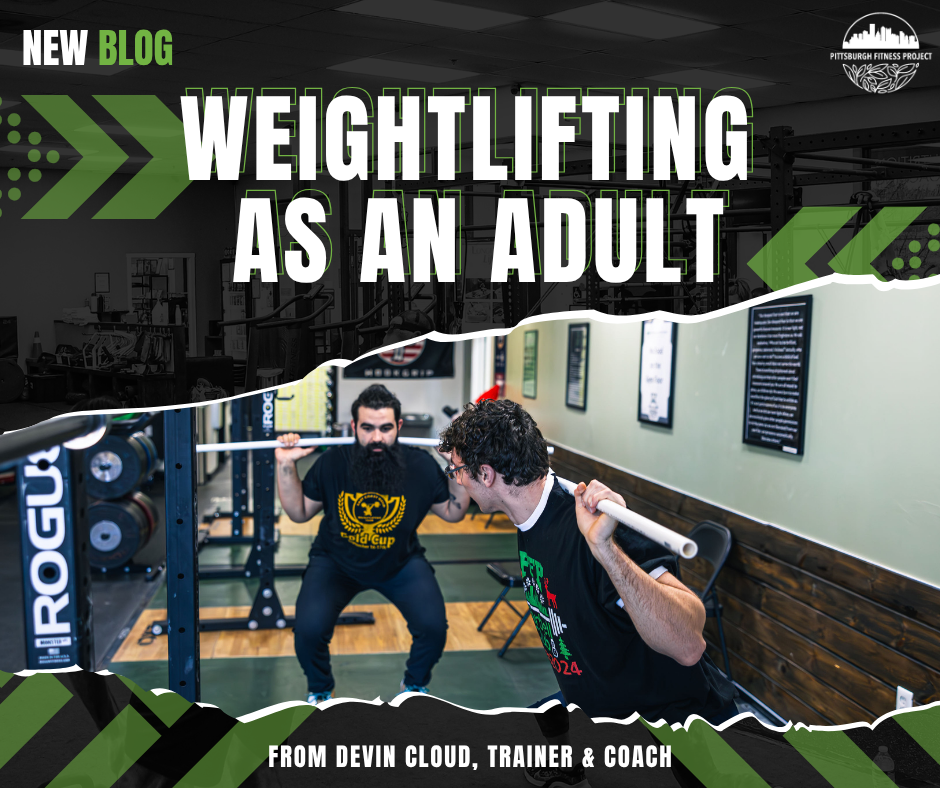
WEIGHTLIFTING AS AN ADULT: SKILL & STRENGTH
Learning new physical skills at any point can be beneficial to us in so many ways. What if learning that new skill also made us stronger and healthier? I am going to tell you about why learning a new skill like Olympic Weightlifting can be both a new route to your fitness goals and a fun and engaging physical skill.
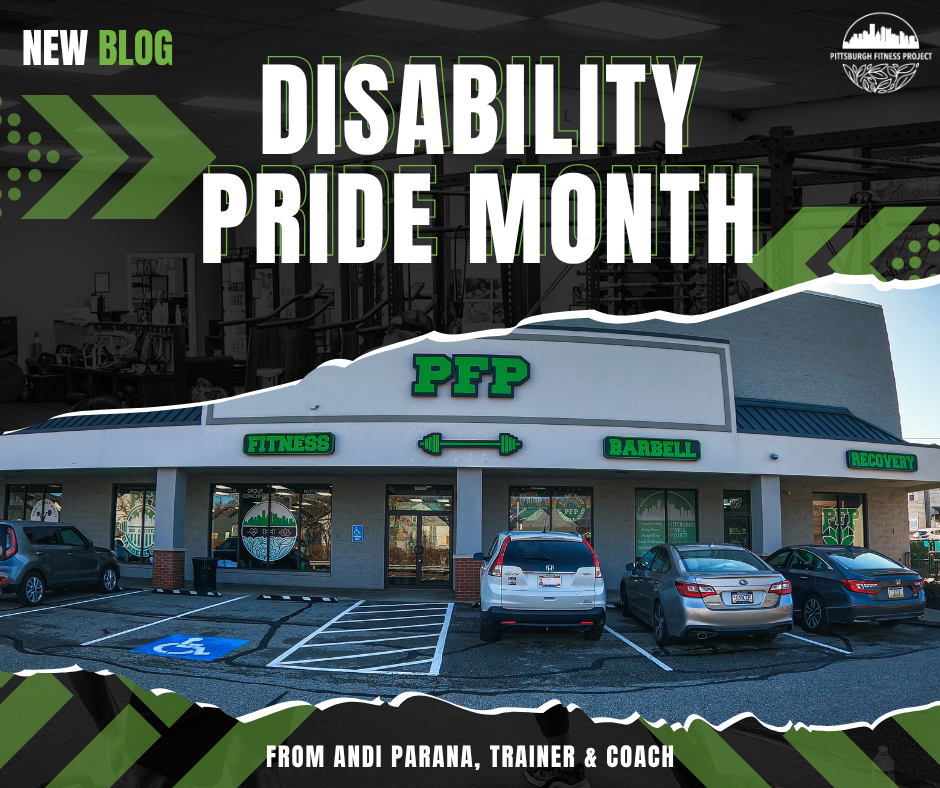
DISABILITY PRIDE MONTH
As July unfolds, the air fills with a distinct energy. While many associate summer with warm nights and outdoor workouts, the disabled community celebrates a major milestone: Disability Pride Month. July 26th marks the anniversary of the Americans with Disabilities Act (ADA), signed into law in 1990. For millions of us, this month is a time to reject the narrative that disability is something to hide, pity, or fix. Instead, we claim it as a vibrant, natural part of human diversity. As a coach at Pittsburgh Fitness Project (PFP), this month hits incredibly close to home. I am deaf, and I navigate the world and the gym with a cochlear implant.
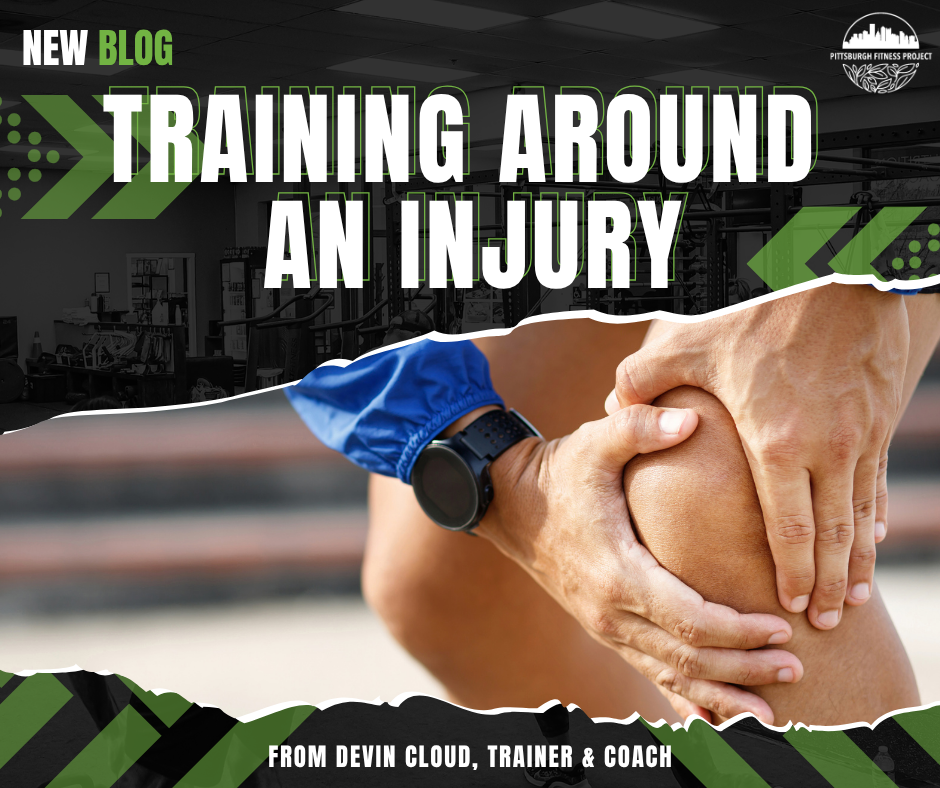
TRAINING AROUND AN INJURY
If you have ever done any sort of exercise, physical activity, or any sport in your life, you have probably dealt with injuries in one way or another. Injury is a pretty broad term, but this can be anything that causes significant trouble to your activity level for longer than a few days, typically. Injuries can also vary in type from chronic injuries like tendonitis or acute injuries like rolling an ankle or tearing a muscle. In any form, they can cause us to lose our consistency with our routine of physical activity. Instead of letting this derail your progress or stop activity overall, there are plenty of ways to work around an injury.
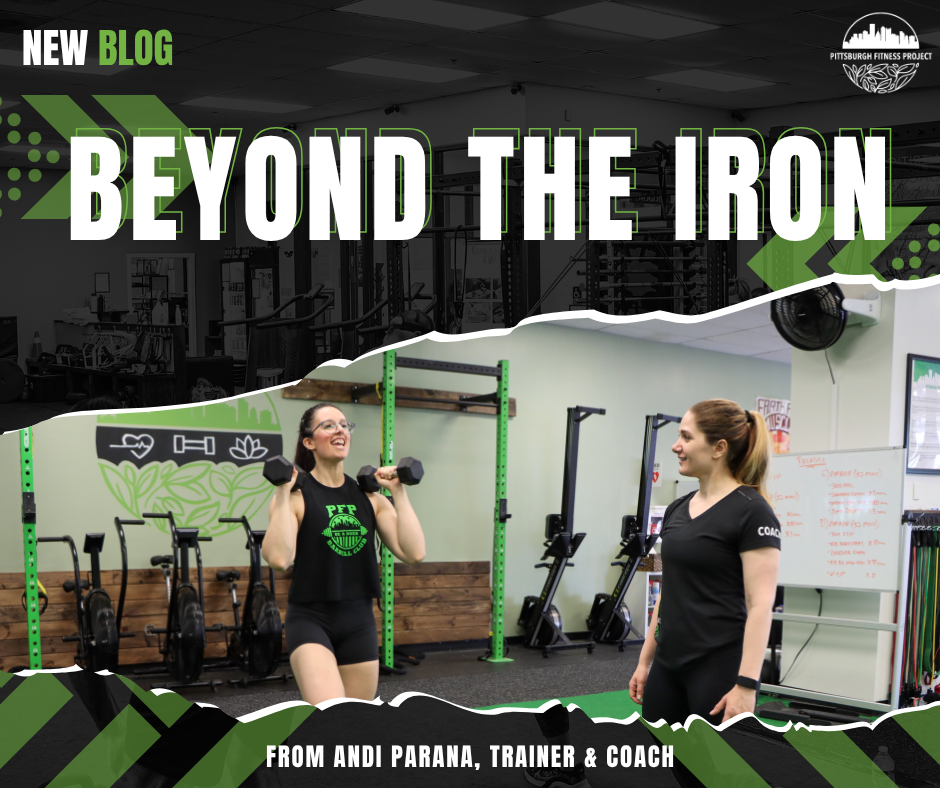
BEYOND THE IRON
For decades, commercial gym weight rooms were subtly (and sometimes overtly) treated as male territories. Women were guided toward the cardio section—treadmills, ellipticals, and light pink dumbbells—under the false pretense that lifting heavy would make them "bulky." Thankfully, the fitness landscape has shifted dramatically. Today, more women are stepping up to barbells and squat racks than ever before. However, the rise of women-only strength training classes isn't just about providing physical space; it serves a profound psychological purpose.
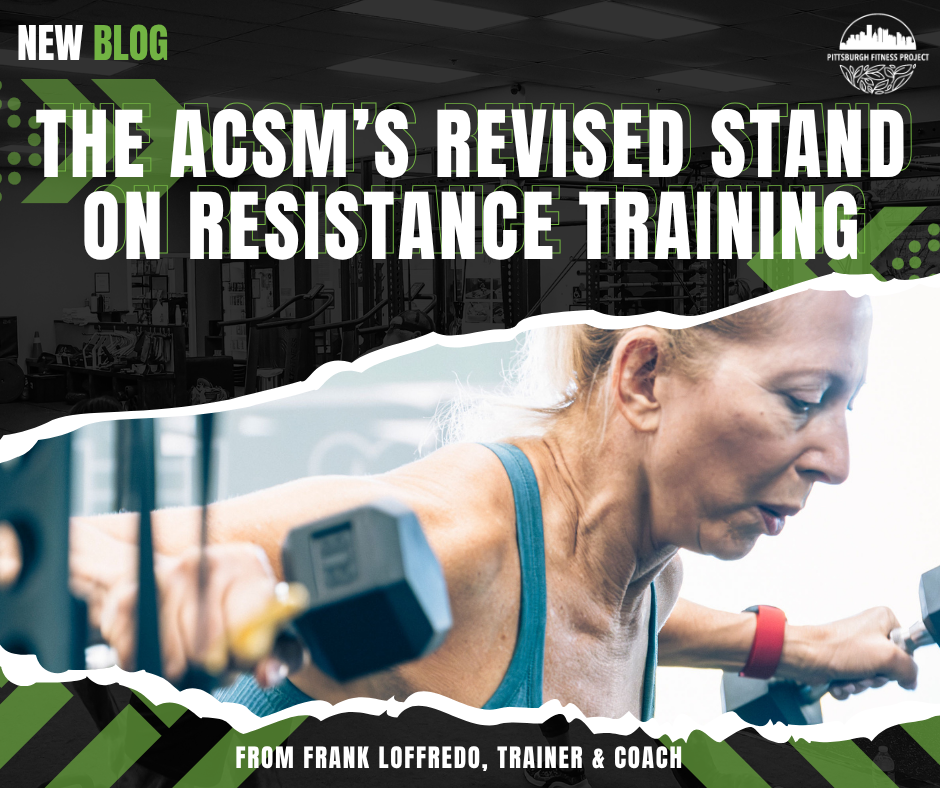
THE ACSM’S REVISED STAND ON RESISTANCE TRAINING
It has been announced by The American College of Sports Medicine that they had recently revised their position statement on strength and resistance training since their last update in 2009. Research on the topic of resistance training has greatly expanded, and with these findings over the past sixteen years of clinical studies, there were several things that should be considered for discussion.
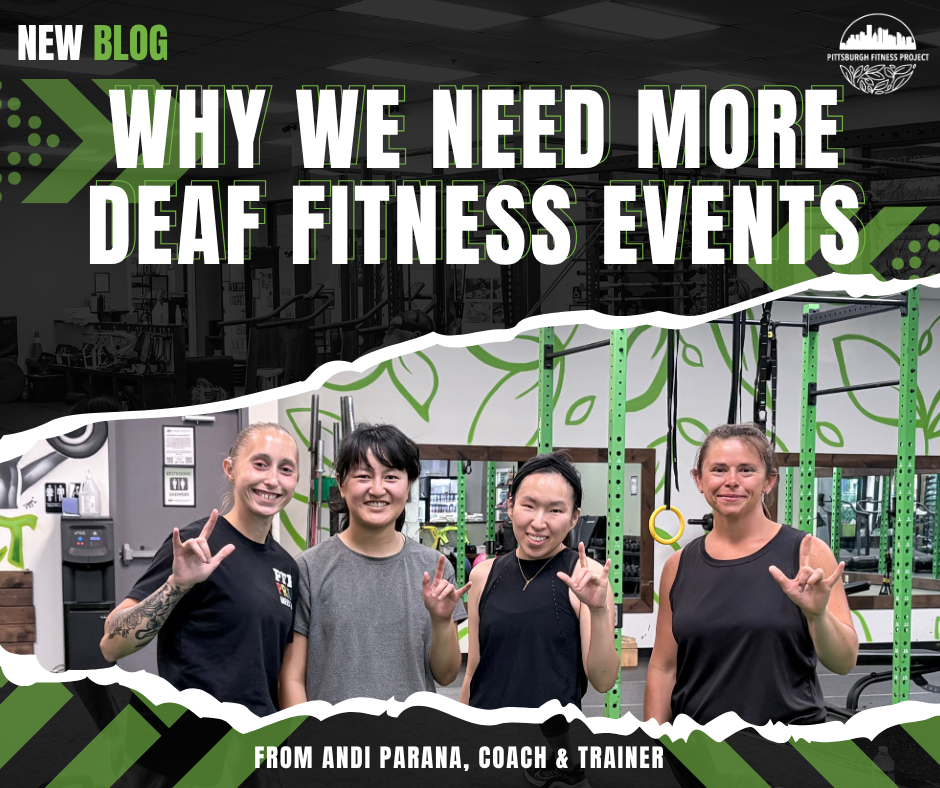
WHY WE NEED MORE DEAF FITNESS EVENTS
Our Deaf Bootcamp on June 10th was nothing short of incredible. The energy, the laughter, the teamwork, and the sense of community made it a day to remember. Everyone showed up ready to move, learn, and support one another—and that’s exactly what happened. We didn’t just work out; we connected, communicated, and created a space where Deaf and Hard of Hearing athletes could thrive together.
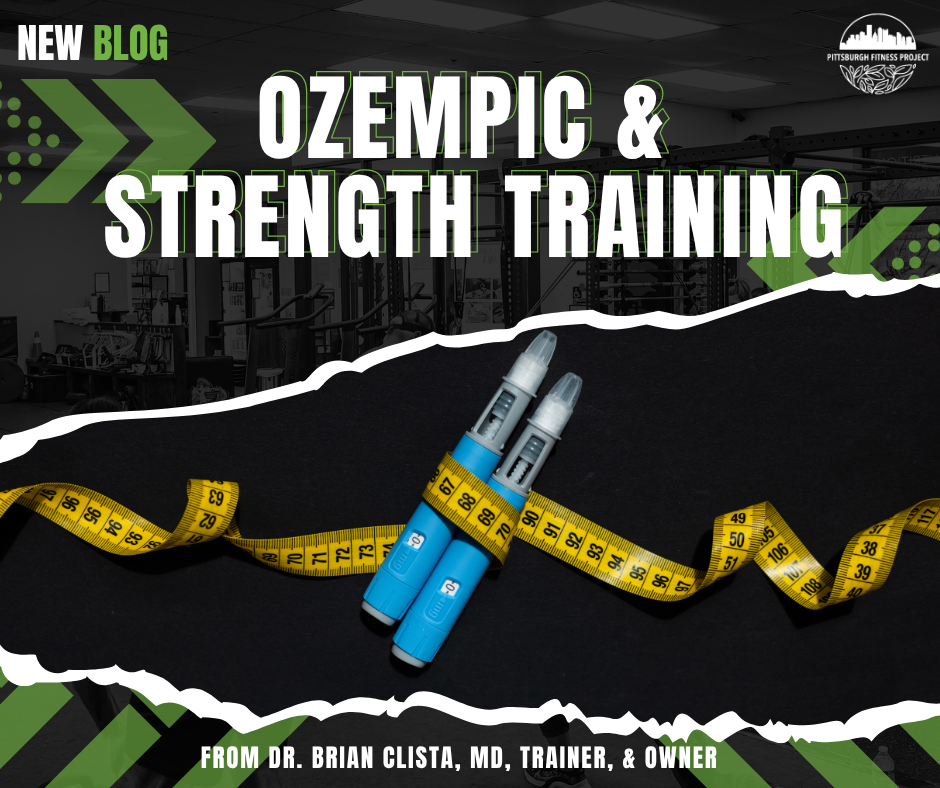
OZEMPIC & STRENGTH TRAINING
GLP-1s, or glucagon-like peptide-1 medications, have revolutionized weight loss and treatment for various conditions like type 2 diabetes, chronic kidney and liver conditions, sleep apnea, and the prevention of cardiovascular disease. Many people who use these medications lose up to 15-20% of their body weight. But with that weight loss, people lose lean muscle mass. Research shows that with any calorie deficit, your body will shed weight from both fat and muscle.
So, how can GLP-1 users prevent that? Let’s look at the steps you can take to prevent loss of muscle mass with Ozempic.
SUMMER IS COMING: TRADE THE "STRESS" FOR THE "SHIFT"
The arrival of summer often brings a wave of "seasonal pressure." We see the ads telling us to "get ready" or "transform" before the first beach trip. But in the world of sports psychology, we know that stress is the enemy of performance—and health. If you are feeling anxious about the warmer months, it’s time to change your mental game. Here is how to use sports psychology to enjoy your summer, stay moving, and keep your mental health a priority.