
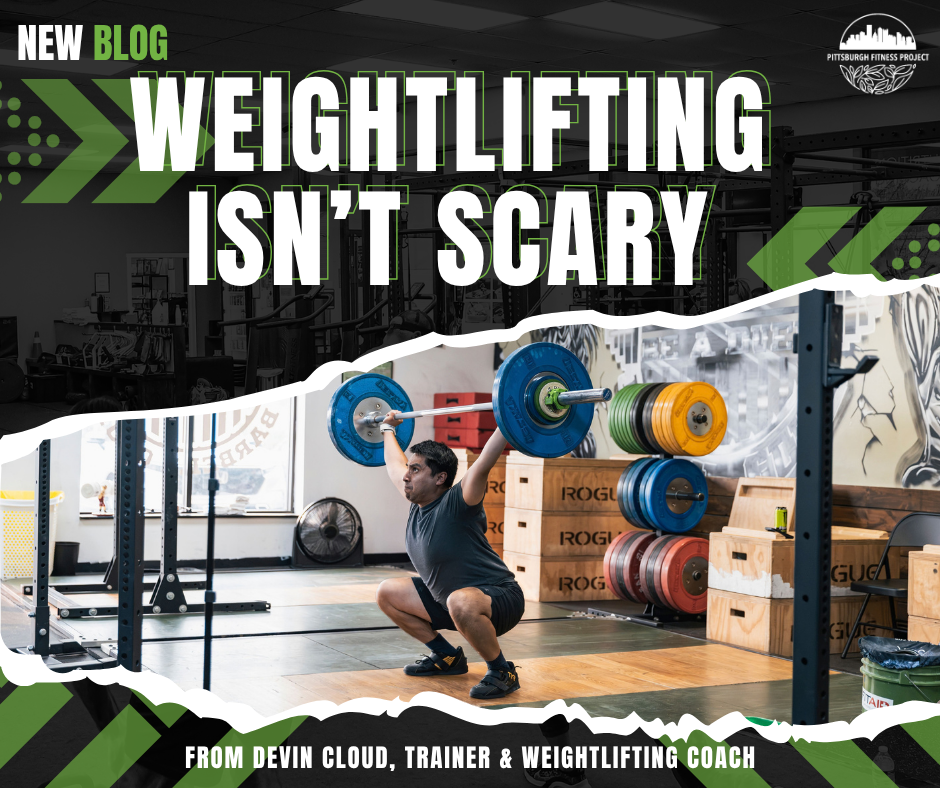
WEIGHTLIFTING ISN’T SCARY
Yes, it is the spookiest month of the year, but one thing that for sure isn’t scary is weightlifting at PFP. If you are unfamiliar with it, it is a barbell sport that consists of the snatch and the clean and jerk. The overall goal is to move a barbell from the floor to overhead as smoothly and powerfully as possible. While that does sound pretty scary, it is actually a very approachable sport that can give you long-lasting results as far as strength, range of motion, power, and overall skill mastery. Let’s talk about some myths or preconceptions you might have and how we at PFP can help you start your journey to learning this great sport.
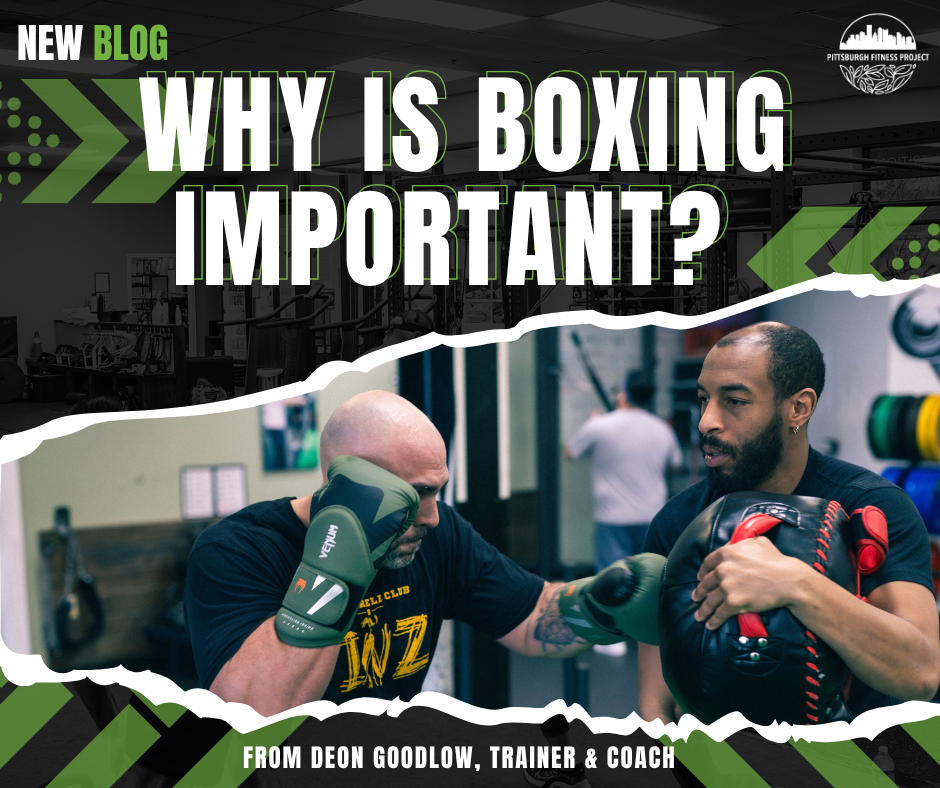
WHY IS BOXING IMPORTANT?
To understand why boxing is important, you must first know what boxing is. Everyone seems to think boxing is two people getting in a ring or cage to just beat each other up, but it’s much more than that. Whether someone boxes competitively or simply trains for fitness, the lessons learned through boxing can be valuable both inside and outside the gym or ring.
SICK SEASON: DO’S & DON’TS
It’s October, and I’ve already seen my first case of Influenza in the office. Others will follow as the weather gets colder, and we spend more time indoors. We call this time “sick season” when school starts, the temperature drops, and we all start sharing our germs.
So, here are some helpful Do’s and Don’ts to stay healthy during “sick season.”
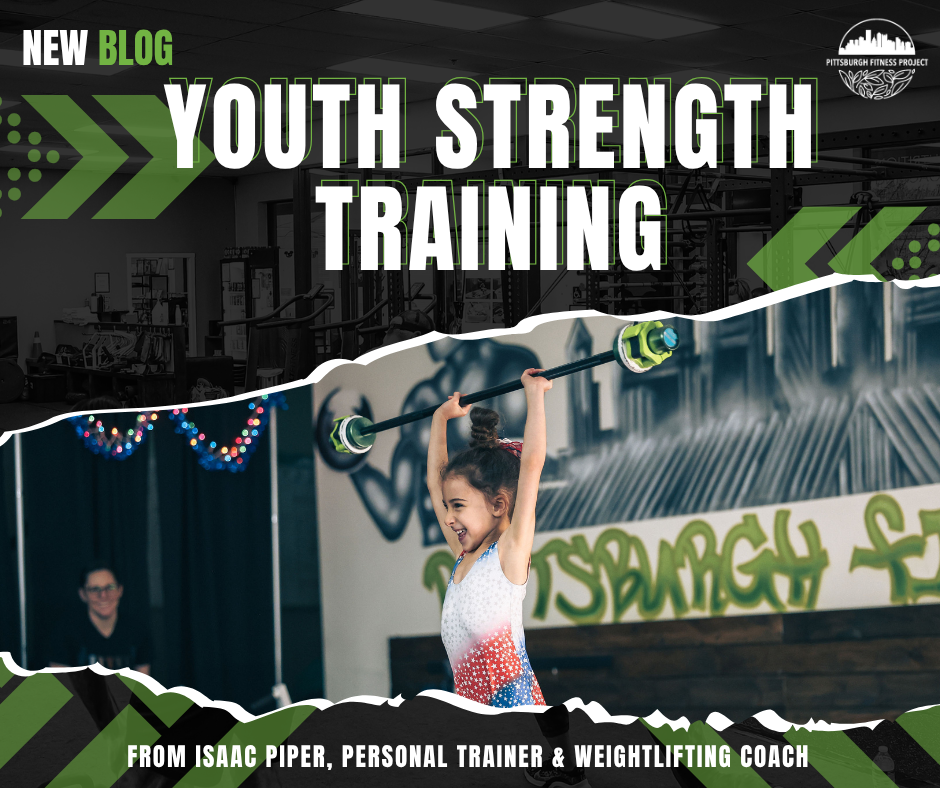
YOUTH STRENGTH TRAINING
When it comes to our youth being active and getting the amount of exercise needed to stay fit, many are inactive, with only one in four getting the recommended amount of activity in their daily lives. Screen time is at an all-time high, and with the internet being so accessible, it has become a default recreational activity, which hinders them even more. On top of this, PE programs in schools can limit the exercise needed due to cut funding or a focus on other curricula. As someone who competed in multiple sports and had access to PE in school, I want to provide an outlet for kids to become more physically active and give them a third space, which I will touch on later.
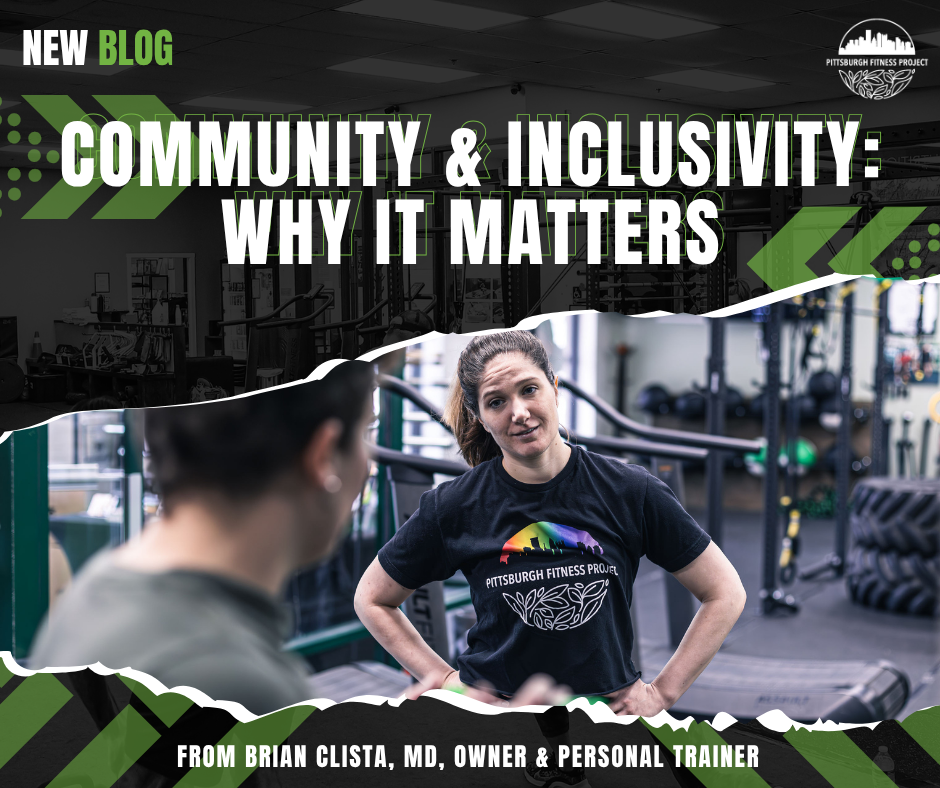
COMMUNITY & INCLUSIVITY: WHY IT MATTERS
We often talk about a fitness community here at the Pittsburgh Fitness Project. But what does that really mean? Why does it matter?
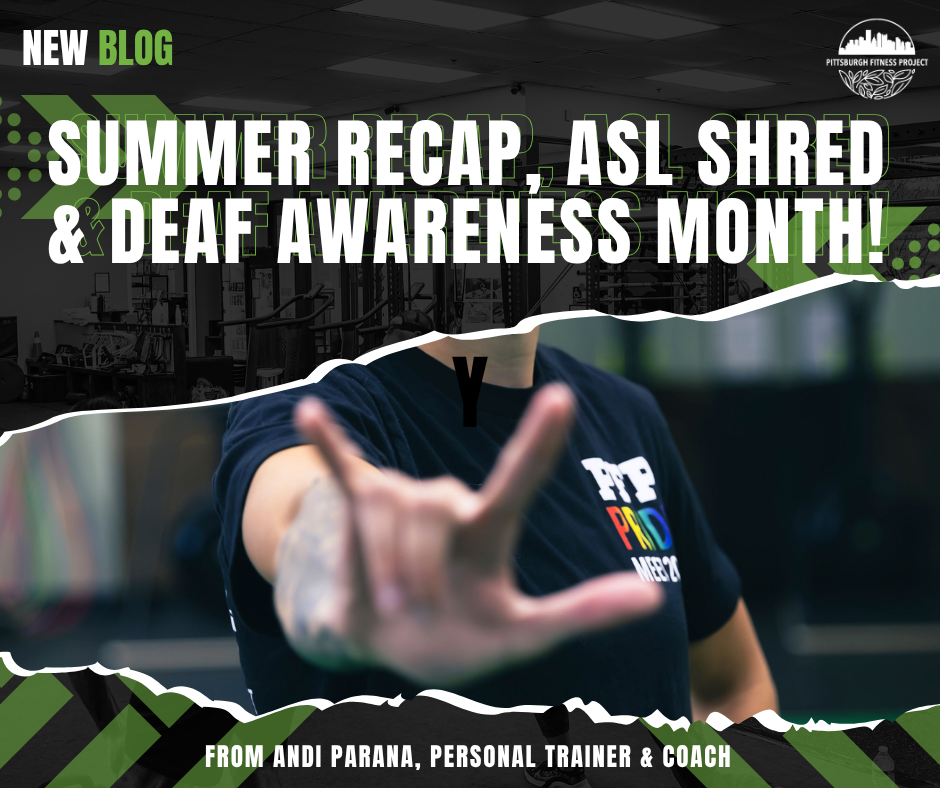
SUMMER RECAP, ASL SHRED & DEAF AWARENESS MONTH!
Looking back across the summer, what made our Deaf Boot Camps so special wasn't just the workouts—it was seeing everyone connect, share non-stop laughter, and support one another with huge smiles on their faces. You proved that when we come together, the vibe is completely unstoppable!
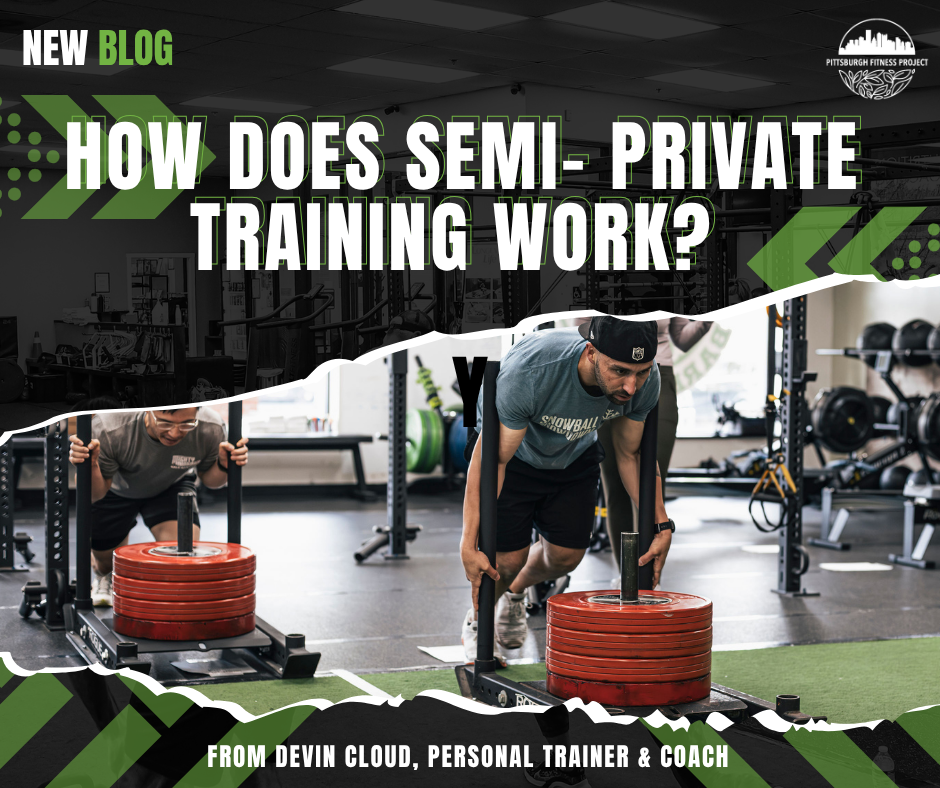
HOW DOES SEMI- PRIVATE TRAINING WORK?
You may have heard recently at PFP that we are rolling out Semi Private Training (SPT) starting in October 2026. This is a new addition to our personal training option here at the gym that offers a slightly different feel to our normal personal training environment. Some questions you might have will be, who is this style of training for? How does the timing and planning work? How can I fit it into my schedule? Let’s get you up to date with it and how it can serve you as a member.
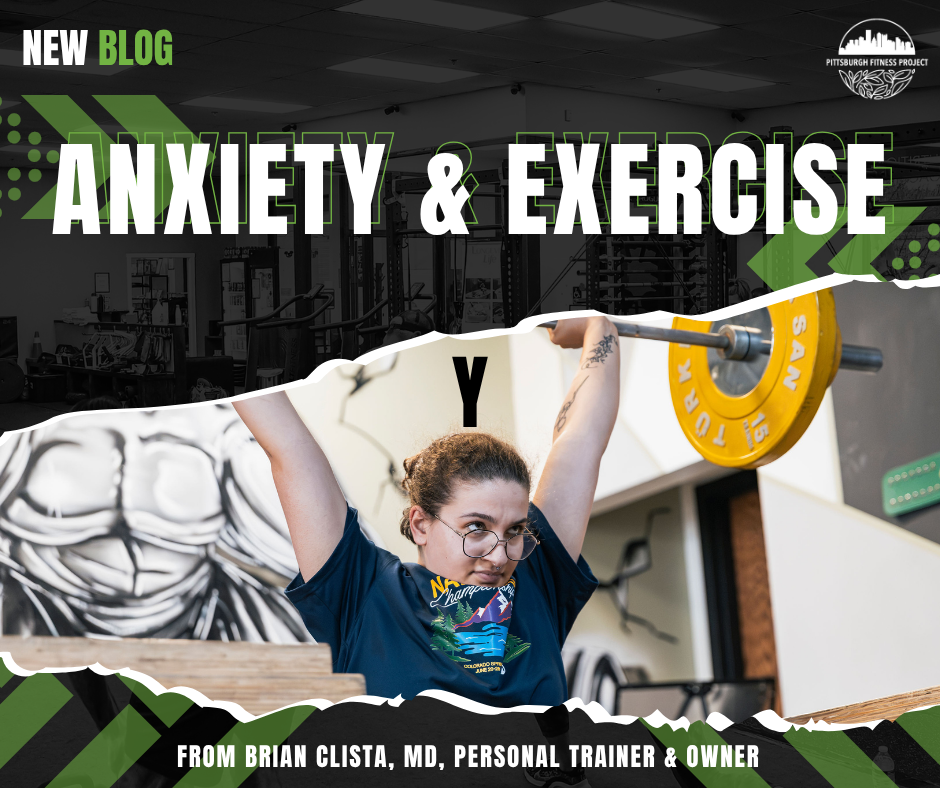
ANXIETY & EXERCISE
Have you ever felt less stressed after working out? There’s a reason for that! Let’s look at the physiology of exercise, why it relieves stress, and how you can incorporate regular exercise to relieve anxiety or stress.
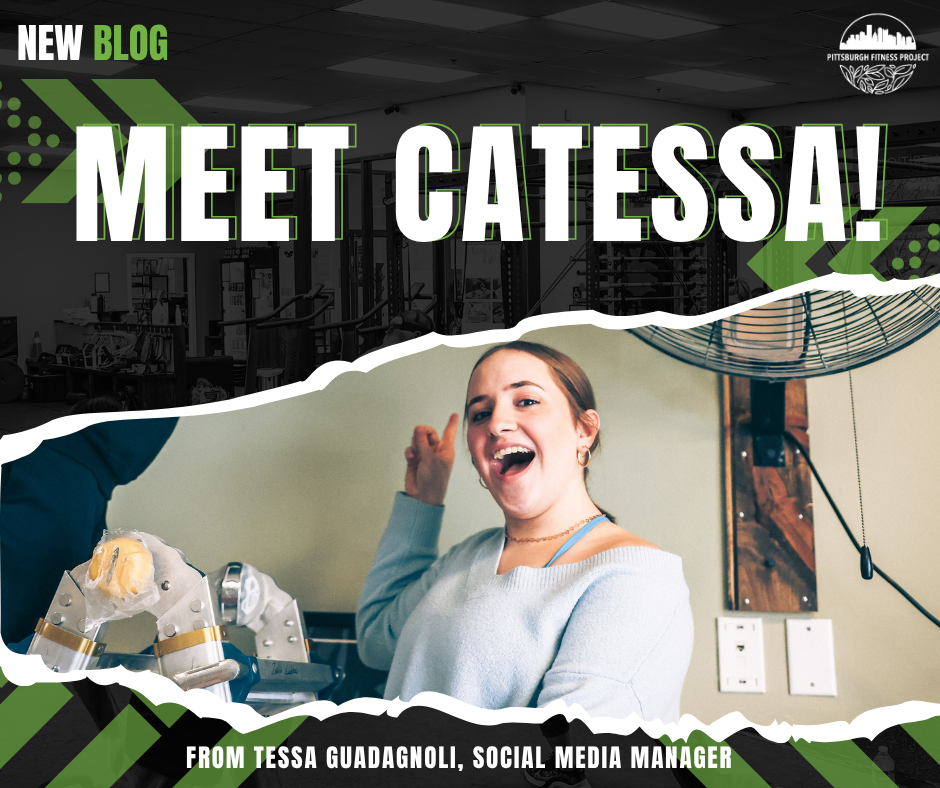
MEET OUR NEW SOCIAL MEDIA MANAGER, CATESSA!
We're thrilled to welcome Catessa Guadagnoli, our new Social Media Manager, to the PFP team!
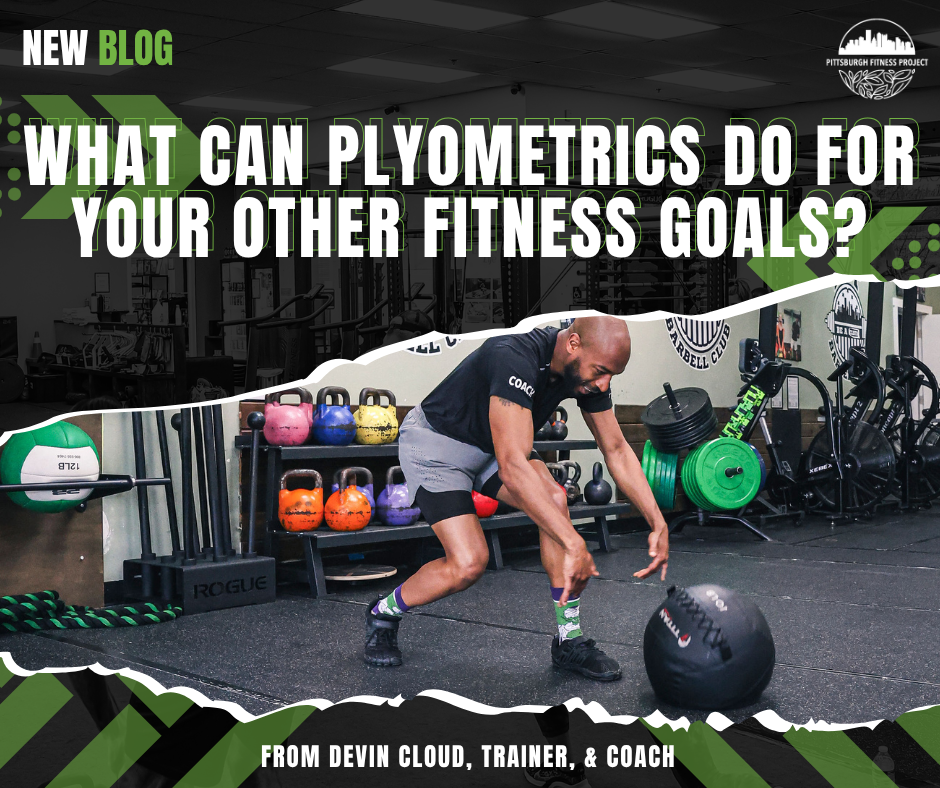
WHAT CAN PLYOMETRICS DO FOR YOUR OTHER FITNESS GOALS?
Whenever we are looking to improve our overall fitness and athleticism, we look to strength training and some sort of activity or sport-specific training to complement it. There is a widely used style of training known as plyometric training. What is plyometric training? It is a style of training where a person uses rapidly loaded movement patterns that elicit a very strong elastic response from our muscles to create high forces and speeds. Exercises for the lower body, like jumps, hops, skips, and the upper body, like throws and slams, are excellent ways to produce these high forces and speeds in these movement patterns. Most sports like football, baseball, hockey, and so many others require rapid force production from your muscles. On the other end of the spectrum, sports like distance running require more low-intensity plyometrics to be performed over and over to create efficient and smooth locomotion of the body. Let’s talk about how they can fit into your other training and what they can do for your outcomes.
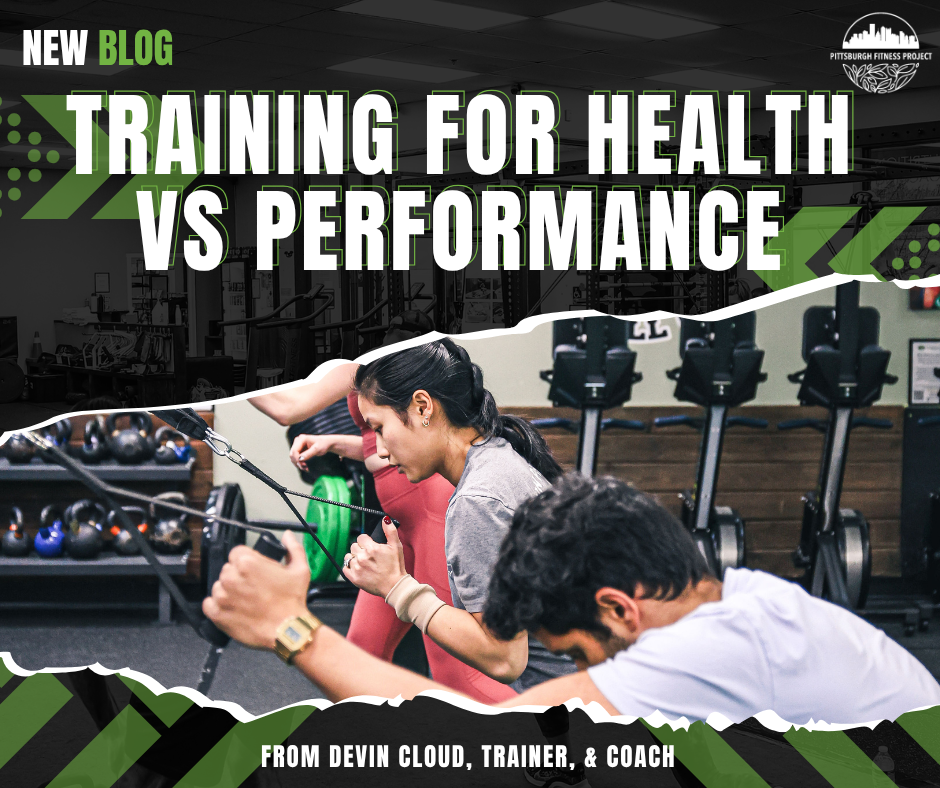
TRAINING FOR HEALTH VS PERFORMANCE
Most people pursue fitness for a multitude of reasons. Whether they are looking to improve their strength, range of motion, make tasks in their life easier, or just to feel better, they can better themselves with the pursuit of improving their health. This becomes crucial even as we age. Maintaining some level of fitness as we age is one of the best ways we can keep harmful age outcomes from occurring. However, that form of exercise is different from training for athletic performance. “Training” and “exercise” are words that are often used interchangeably, but they mean very different things. While exercise is a more encompassing term, it refers to a more general pool of movements and modalities. Whereas “training” refers to more specific planning, purposes, and movements to reach a desired goal. Let’s discuss how and what each one is and how they fit your goals.
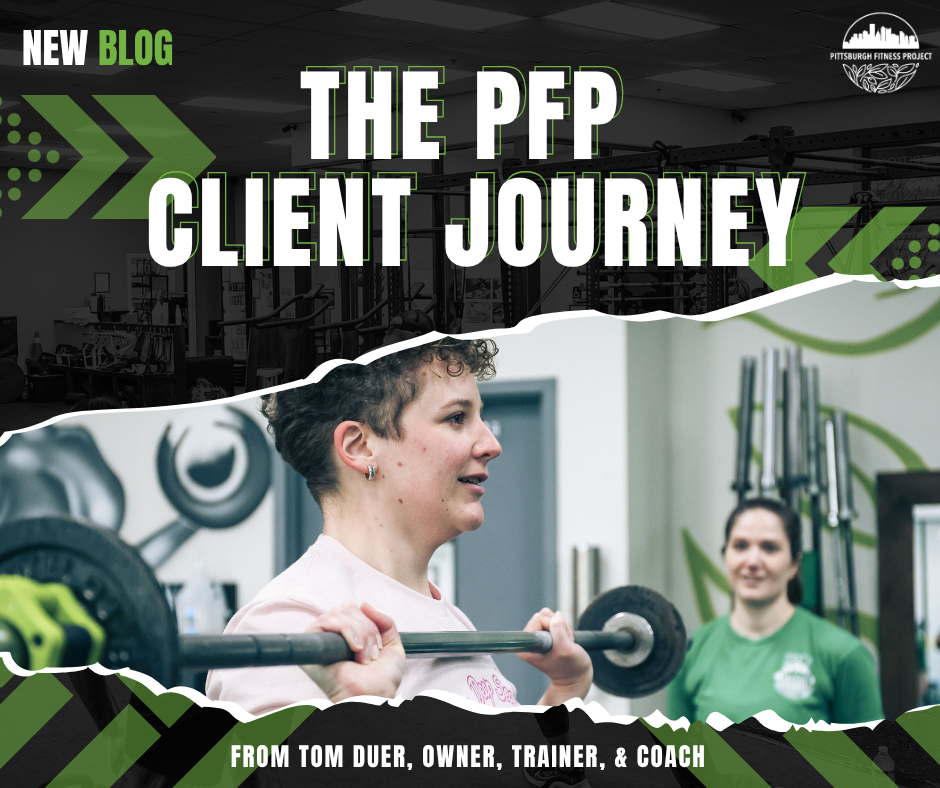
THE PFP CLIENT JOURNEY
At PFP, we believe fitness is not a one-time event—it is a journey. Real results come from having a clear plan, consistent coaching, and regular opportunities to evaluate progress and make adjustments. That is why we are introducing an enhanced client journey designed to provide support, accountability, and guidance every step of the way. Beginning this September, PFP members will experience a more structured coaching process that includes: Initial Fitness Assessment, Monthly Coaching Check-Ins with InBody Scans, Quarterly Progress Assessments, and Yearly Reassessments. This approach allows us to move beyond simply completing workouts and focus on creating a complete, personalized fitness experience.
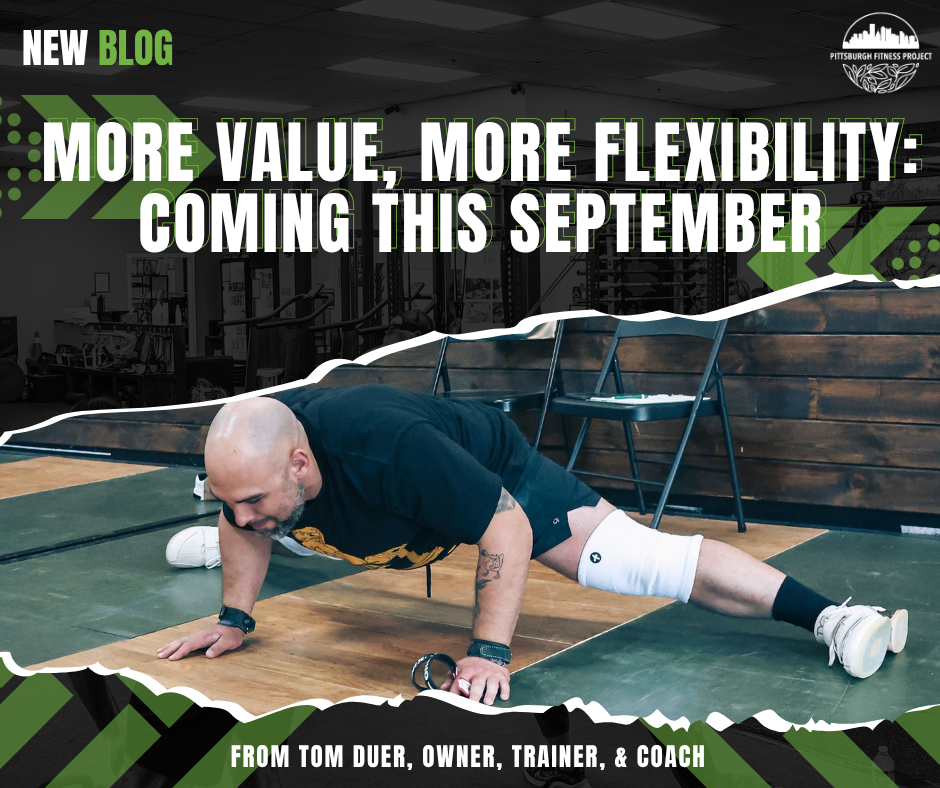
MORE VALUE, MORE FLEXIBILITY: COMING THIS SEPTEMBER
Unlimited Classes Are Coming to PFP Training Memberships! At PFP, we believe your membership should give you the tools, support, and flexibility you need to reach your goals. Starting this September, we are making an exciting update to our Personal Training and Semi-Private Training memberships that gives members more opportunities to train, build consistency, and get even more value from their PFP experience.
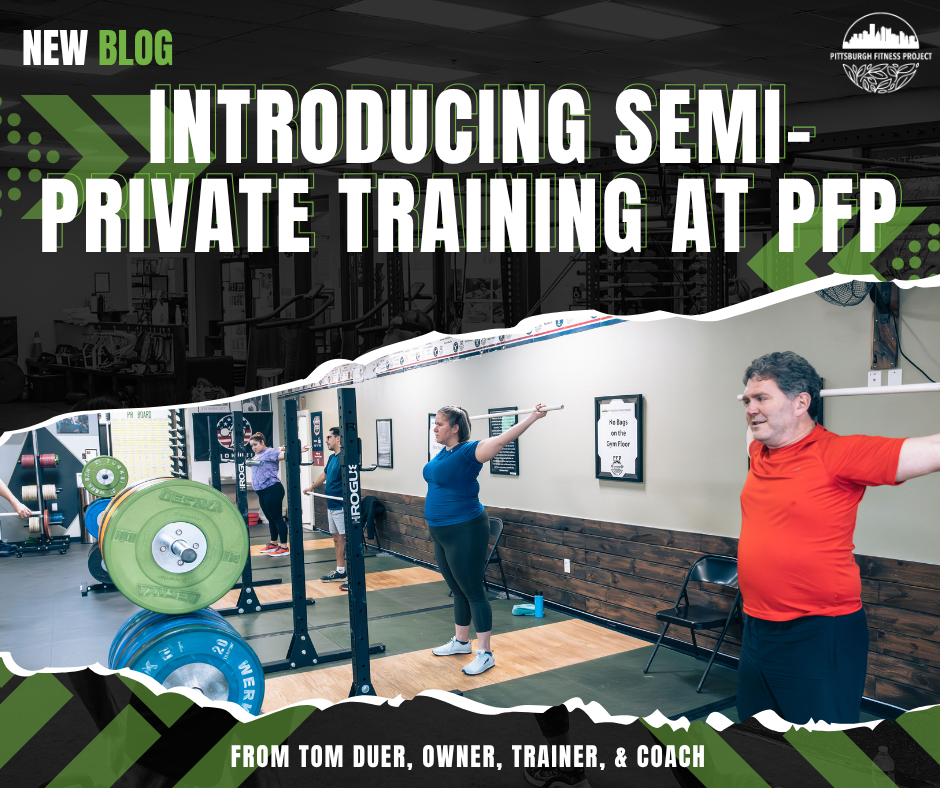
INTRODUCING SEMI-PRIVATE TRAINING AT PFP
At PFP, we are always looking for ways to provide better coaching, more personalized experiences, and more options for our members to achieve their goals. This fall, we are excited to introduce one of the biggest additions to our training model yet: Semi-Private Training. Before we officially launch this program, we will be inviting a select group of current and former PFP members to participate in our Semi-Private Training Beta Test Group. This pilot phase will allow us to gather feedback, refine the experience, and make sure we are delivering the highest-quality coaching possible.
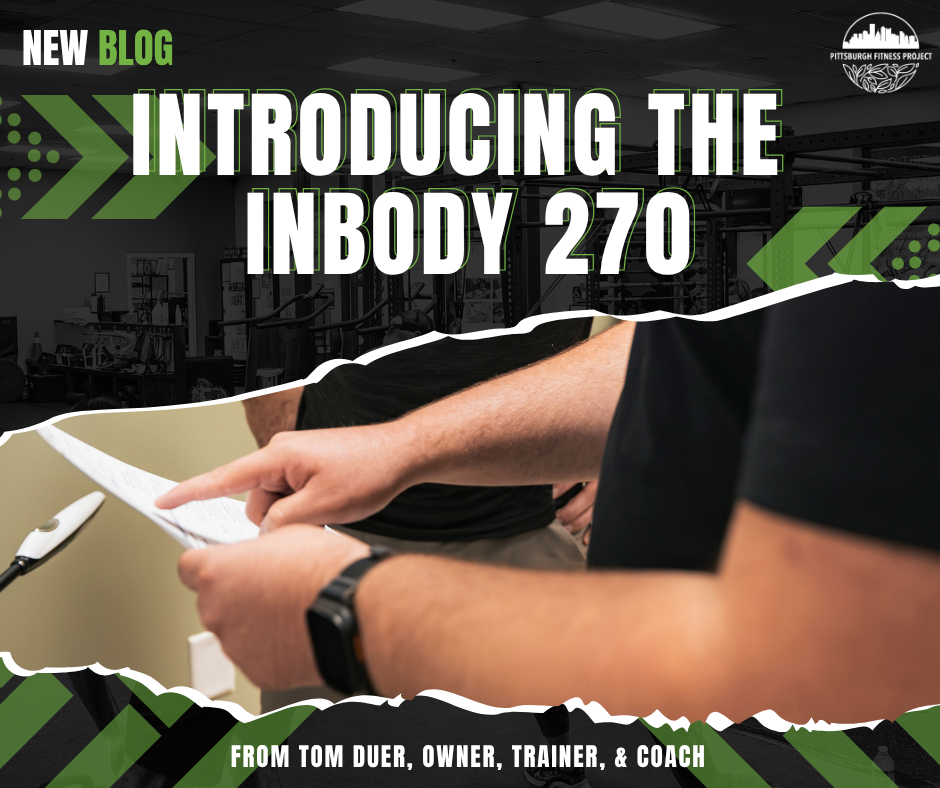
INTRODUCING THE INBODY 270
For years, fitness progress has often been measured by one simple number: the scale. While body weight can be useful information, it does not tell the complete story. At Pittsburgh Fitness Project, we believe members deserve better information. Beginning this September, we are integrating the InBody 270 body composition scanner into our coaching process to provide a clearer picture of your progress.
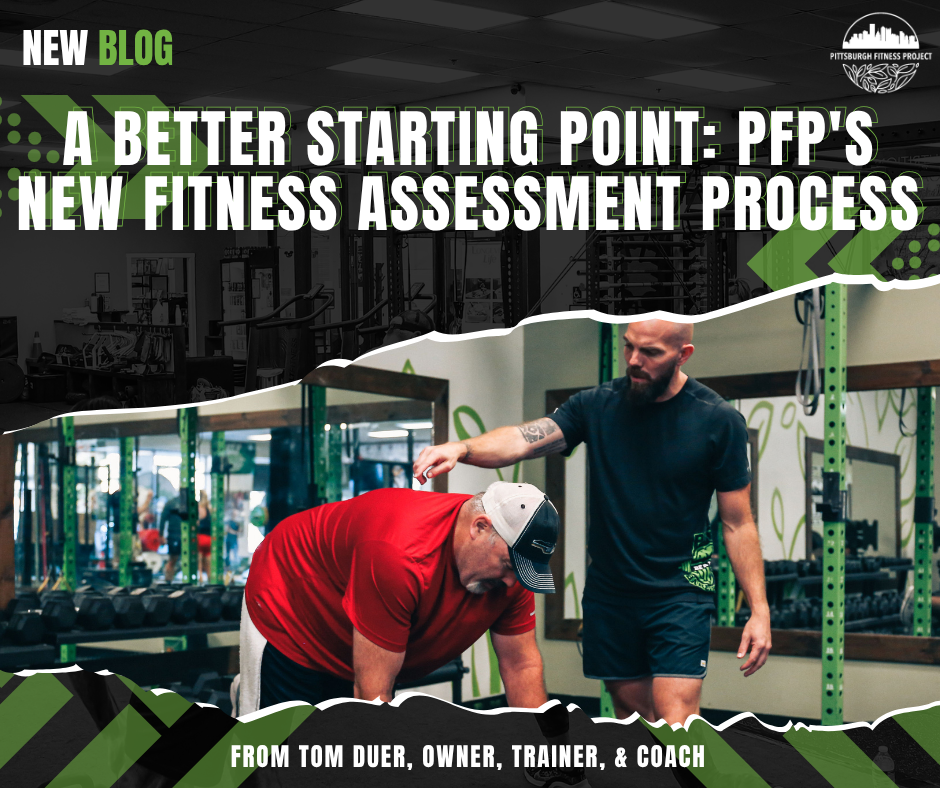
A BETTER STARTING POINT: PFP'S NEW FITNESS ASSESSMENT PROCESS
Starting September. Every successful fitness journey starts with understanding where you are today. At Pittsburgh Fitness Project, we believe the best coaching begins with a complete picture of who you are, what your goals are, and what steps will help you get there. Beginning in September, we are launching an updated Fitness Assessment process designed to provide a more personalized and effective experience for every member.
BIG CHANGES COMING TO PFP THIS SEPTEMBER
At Pittsburgh Fitness Project, our mission has always been simple: help people become stronger, healthier, and more confident through expert coaching and a supportive community. As we continue to grow, we are always looking for ways to improve the experience we provide our members. Beginning in September, we are introducing several exciting changes designed to make your training more personalized, your progress easier to track, and your membership more valuable than ever. These updates are the next step in our commitment to moving beyond simply providing workouts. We want to provide a complete coaching experience that helps every member understand where they are, where they want to go, and exactly how to get there.
WHY INBODY 270 SCANS MATTER IF YOU’RE TAKING GLP-1 MEDICATIONS
GLP-1 medications like Ozempic®, Wegovy®, Mounjaro®, and Zepbound® have changed the conversation around weight loss. Many people are seeing significant reductions in body weight, improved blood sugar control, and better overall health. But while the number on the scale may be moving in the right direction, the scale doesn't tell the whole story. At Pittsburgh Fitness Project, we're focused on helping you improve your health—not just lose weight. That's why we use the InBody 270 body composition scanner to track what's really happening inside your body throughout your fitness journey.
WEIGHT LOSS, GLP-1S, & MUSCLE MASS
There is a lot of talk recently about GLP-1s, and lots of people use them to try and lose weight. While they are effective at decreasing appetite and leading to weight loss there are some things to consider first. An article from the National Strength and Conditioning Association’s Personal Trainer Quarterly titled “Preserving muscle in the era of GLP-1RA therapy – Practical strategies for exercise professionals” by Dalan Zydel discusses this topic in detail.
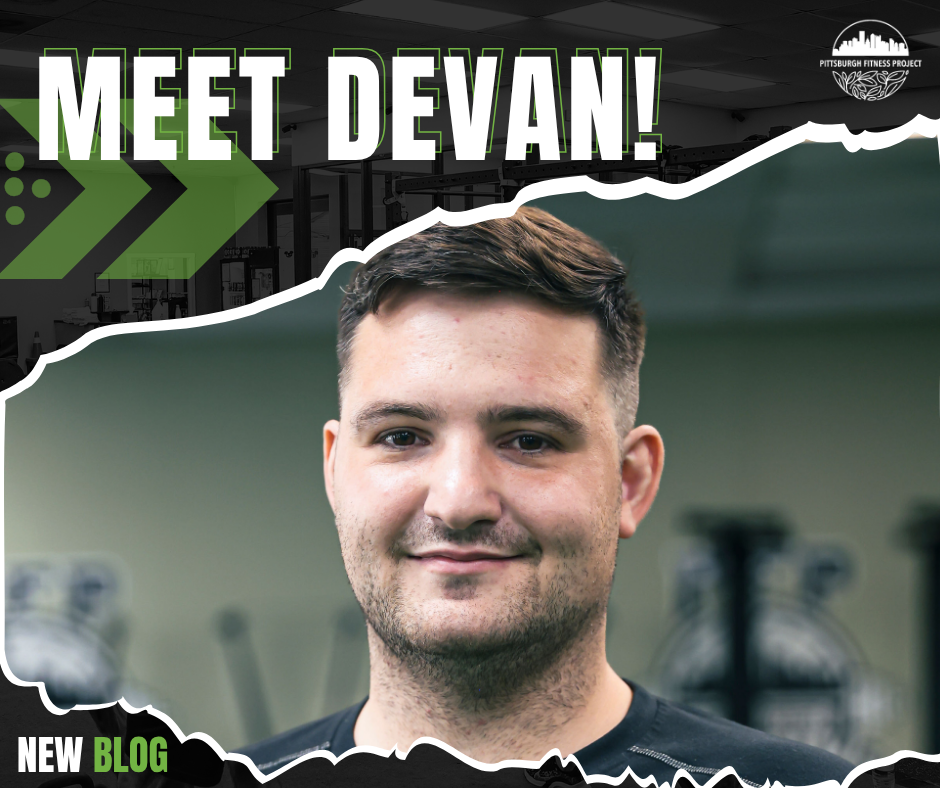
MEET OUR NEWEST TRAINER DEVAN!
We're thrilled to welcome Devan Bennett, our newest trainer, to the PFP team!