
STRENGTH TRAINING OVER 50: THE BEST ANTI-AGING TOOL
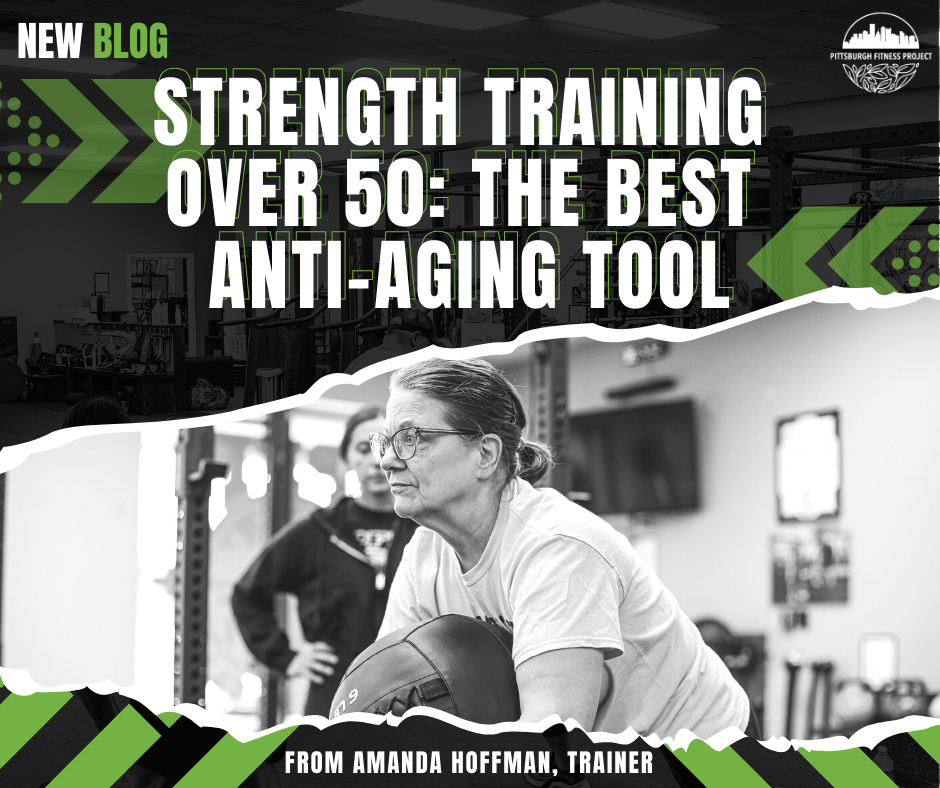
Aging is inevitable, but feeling weak, stiff, and limited as you age is simply not. If you’ve ever been told “just wait until you’re my age”, then this post is for you. You do not have to “feel old”, just because you are aging. If there’s one habit that has the biggest return on investment for health, independence, and confidence after 50, it’s strength training. Whether your goal is to stay active, reduce aches and pains, improve bone health, or simply feel strong in your own body, resistance training is one of the most powerful anti-aging tools available.
Why Strength Training Matters More After 50
Starting in our 30s, we naturally begin to lose muscle mass and strength. Without consistent resistance training, research shows that we can lose between 3-8% of our muscle mass every decade. This process is called sarcopenia, which is age-related loss of muscle mass due to physiological and hormonal changes as we age combined with lifestyle. Although we can’t control how our bodies change physiologically, we can control our lifestyle. After 50, muscle loss can impact:
Balance and stability
Joint health
Bone density
Metabolism
Daily tasks like carrying groceries, climbing stairs, or getting up from the floor
Strength training directly targets these declines. It doesn’t just slow aging—it helps reverse many of its effects.
Benefits of Strength Training
1. Builds and Preserves Muscle Mass
Muscle is ABOUT more than how we look, it’s about how we function. It’s protective tissue that supports your joints, improves posture, and allows you to move with confidence. Maintaining muscle mass as you age means fewer injuries, better balance, and greater independence. Just 2-3 strength training sessions per week can make a measurable difference.
2. Strengthens Bones and Reduces Fracture Risk
Bone density naturally declines with age, especially for women post-menopause. Strength training places healthy stress on bones, signaling them to stay strong. The right exercises can help reduce the risk of osteoporosis, lower the likelihood of fractures from falls, and support long-term mobility. Resistance training is one of the most effective non-medication strategies for bone health.
3. Improves Joint Health and Reduces Pain
Contrary to the myth, strength training does not destroy or injure joints when done properly, it supports them. Strong muscles help take stress off joints, improve alignment and movement patterns, and reduce common aches in knees, hips, shoulders, and low back.
4. Supports Metabolism and Body Composition
Muscle tissue is metabolically active, meaning it helps your body use energy more efficiently. As muscle mass increases or is preserved, your metabolism stays healthier, blood sugar control improves, and body composition improves. This is especially important for managing weight and energy levels as hormones change with age.
What Should Strength Training Look Like After 50?
Strength training does not mean 60-minute, intense bootcamp classes. Effective programs for adults over 50 prioritize proper form and control, using weight that are relatively challenging, progressive overload (gradually increasing challenge), full-body movements (push, pull, squat, hinge, carry), single leg exercises (balance and stability), and adequate recovery.
For most adults over 50 2–3 strength sessions per week is ideal, with sessions as short as 20–30 minutes.
Getting Started Safely
If you’re new to strength training or returning after a break, I highly encourage you to start with a coach or small-group class. A trainer who has experience working with 50+ populations will help you understand where to begin, learn movement patterns, work on any weaknesses, and help you to use appropriate weights while gradually progressing. Working with a qualified coach or following a structured program can make a big difference in both results and confidence.
Ready to begin? Book a fitness assessment with one of our coaches to get started training at PFP.