
WATT IS DRY NEEDLING?
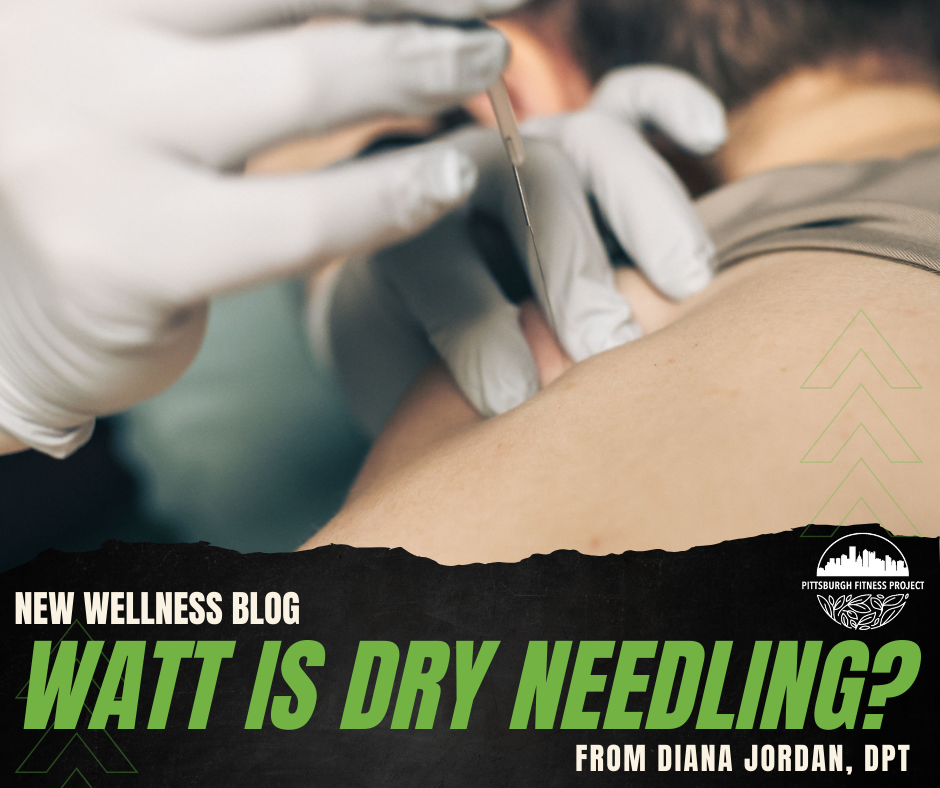
Dry needling has become much more common over the last decade as a treatment used by physical therapists and other clinicians to help with muscle pain and movement issues. It involves using very thin needles to target tight or irritated muscle tissue with the goal of reducing pain and improving how you move.
Watt Makes Dry Needling Relevant?
This past week, news broke that NFL player T.J. Watt reportedly suffered a pneumothorax following a dry needling session. That story quickly made its way across social media, and unfortunately, some commentary around it has leaned more toward fear-based headlines than facts. While this complication is serious, the way it’s been discussed has led to a lot of misinformation about dry needling — a treatment that is actually both effective and very safe when performed by a properly trained professional.
That said, understanding risk is important for any medical treatment. Let’s take a look at what the research actually says.
One of the largest studies on dry needling safety comes from Gattie and colleagues (2020), who surveyed physical therapists across the U.S. They found that minor side effects like soreness or temporary pain after treatment were fairly common — something many patients already expect. More serious adverse events were much less common, and when they did happen, they rarely required emergency care. Interestingly, the study also showed that provider experience and training mattered, reinforcing how important clinician education is for safety.
Another large study by Boyce et al. (2020) looked at over 20,000 dry needling treatments. Similar to the Gattie study, minor side effects such as bruising, mild bleeding, or soreness showed up fairly often. Serious events, however, occurred in less than 0.1% of treatments. When they did occur, they were typically things like prolonged symptom flare-ups or fainting — not life-threatening complications. Overall, this research supports dry needling as a low-risk treatment when done by trained clinicians.
Even More Data
Zooming out even further, the broader body of research tells the same story. Most people experience only short-lived, mild side effects. Serious complications — including pneumothorax, nerve injury, or infection — do appear in case reports, but they are rare, especially in well-controlled clinical settings with providers who have strong anatomical knowledge and appropriate training.
For patients, safety also depends on good communication. A qualified provider should screen for things like bleeding disorders or needle anxiety, explain what side effects to expect, and tailor treatment to your body and comfort level. Some soreness or bruising in the first 24 hours is normal and usually resolves on its own. That said, symptoms like sudden shortness of breath, sharp chest pain (especially with breathing), persistent coughing, dizziness, or a rapid heart rate should never be ignored. If those occur, seek emergency care right away.
The Bottom Line
Every medical treatment carries some level of risk. With dry needling, serious complications are extremely uncommon. If you’re considering it as part of your treatment plan, make sure your provider is well-trained and comfortable having an open conversation about both the benefits and the risks. When used appropriately, dry needling remains a safe, effective tool — not something to fear.