
STRENGTH TRAINING: ESSENTIAL FOR WOMEN AT EVERY STAGE OF LIFE
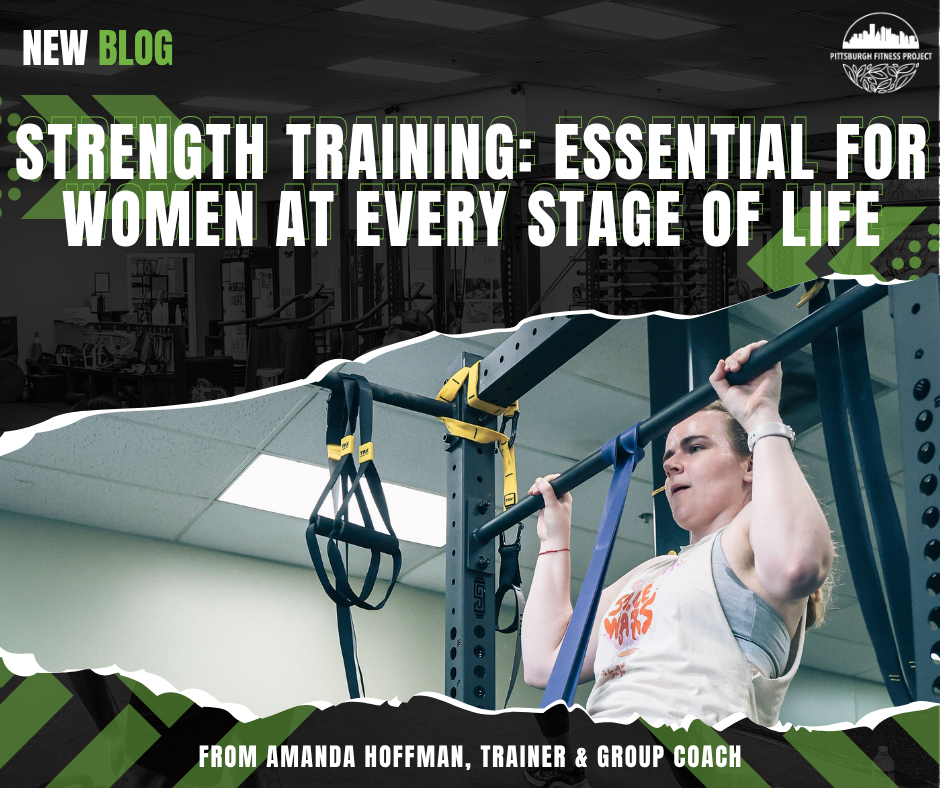
For years, women stuck to cardio, light weights, and "toning” workouts. Women were afraid of getting “bulky” or bigger, and “gym-timidation” is a real thing for many women when they enter a space full of males. Now, more and more women are shifting away from working out to look a certain way, and instead working out to feel a certain way. Women understand that strength training isn’t just about building muscle or changing how your body looks, but it’s one of the greatest tools women have to support long-term health, confidence, and quality of life. Here are just a few benefits of training:
Benefits Beyond Aesthetics
While improving body composition is often a goal, the real benefits of strength training go far deeper:
Increased muscle mass leads to improved metabolism and daily energy needs
Improved bone density reduces risk of osteoporosis
Better joint stability lowers injury risk
Improved mental health reduces anxiety and boosts confidence
Strength training helps you feel strong, capable, and resilient, and is so much more than just building muscle.
Hormone Health
Women experience unique hormonal shifts throughout life, especially during pregnancy, postpartum, and perimenopause/menopause. These shifts can impact muscle mass, fat distribution, energy levels, and even recovery. Strength training acts as a buffer against many of these changes by preserving and building muscle mass, supporting metabolic health, and improving hormonal balance. This becomes increasingly important as women age.
Strength Training and Aging
After age 30, women naturally begin to lose muscle mass, a process called sarcopenia. Research shows that muscle mass can decline by 3-8% per decade starting at age 30. Without intervention of resistance training, this can lead to a slowed metabolism, increased body fat, decreased strength and mobility, decreased bone density, and a higher fall and fracture risk.
Strength training directly combats this by maintaining and building muscle and bone density, improving balance, improving coordination, and supporting independence for longer. It’s one of the most effective “anti-aging” tools available to continue your daily activities independently and freely.
Functional Strength for Real Life
Strength training isn’t just about getting to the gym; it’s about how you move in real life. Training your body to be strong improves how you move every single day. As you get stronger, your daily activities will feel easier, such as carrying groceries, picking up your kids or grandkids, getting up and down from the floor, traveling, hiking, and simply staying active as you get older.
Common Myths to Debunk
“Lifting weights will make me bulky.”
Very, very unlikely. Building significant muscle mass requires specific training, nutrition, and years of consistency. With the proper combination of strength training and nutrition, most women will begin to look leaner and stronger.
“I should focus on cardio for fat loss.”
Cardio is essential for heart health, but strength training is number one for maintaining muscle and supporting long-term fat loss.
“I’m too old to start.”
It’s never too late, and age is just a number. Women in their 60s, 70s, and beyond can build strength, improve bone density, and dramatically improve their quality of life.
How to Start Strength Training
Keep it simple and focus on the basics:
Strength train 2–3 days per week + add in cardio 2 days per week.
Prioritize compound movements. These include squats, hinges (deadlifts, hip bridges), push exercises (push-ups, presses), pull exercises (rows, pulldowns), and carries.
Progress gradually by increasing weights, reps, time under tension, and exercise selection over time.
Focus on the quality of movement over quantity. You don’t need to spend hours in the gym if you know how to train efficiently. Find a trainer or a program that can help you learn how to get here.
Support with nutrition by consuming adequate protein for muscle repair and growth, and adequate carbs for energy and recovery.
Never a Phase
Strength training isn’t just a phase or a trend—it’s a lifelong investment in your health. No matter your age, experience level, or starting point, getting stronger will improve your life in ways that go far beyond the gym. At PFP, we offer courses for women 60+, women’s strength training groups (great for beginners), and 1:1 personal training.
Get started training now at PFP by booking an assessment with one of our coaches.